June 2, 2009

Throwback Mowing

Propelling an old-fashioned rotary hand mower through the lengths of volunteer little bluestem and rye grass, chicory and milkweed, stinking chamomile and sundry other unidentified weeds that have set up housekeeping in the garden is pretty tough work. It takes a deal more elbow grease and leg power than steering and trotting behind an infernal combustion-powered mower. It necessitates more hand-clipping of the opportunistic weeds that cluster self-protectively close to the trunks of shrubs and trees. And the end result is a longer, looser, less tidy mop than the symmetrically close-sheared result one gets from the much faster rotating, gasoline-muscled blades of a power mower.

With such a shaggy outcome, and the extra sweat equity invested, is it really worth it, or acceptable to the gardener's neatness fetish, to switch permanently from a carbon-fueled powerhouse scything machine to a pre-industrial hand tool? Granted, it was lovely and satisfying at the hardware store to march righteously past all the big, shiny, lawn-mowing machines with their price tags starting in the hundreds of dollars, and ferret out one of the two push reel mowers, from the American Lawn Mower Company of Shelbyville, Indiana, way at the back of the store, out of the marketer's premier sight-line positioning. You couldn't beat with a stick the reasonable and affordable bargain price of $85. The assembled push mower, deftly put together by a teenage clerk who had the good manners not to sneer even a little bit at the archaic purchase, fit as easily as a pea in a pod on the passenger-side footwell in the front of a Honda Civic, whereas a pickup truck or transport van would have been needed to ferry homeward any of the motorized machines.

Likewise, the push mower slots unobtrusively into a very small corner of the garage, taking up no more storage space than would a large person. When the time comes to put it to use, it is simply rolled out of the garage, onto the grassy patches, and you're in business. No fiddling with spark plugs, checking and replenishing messy, smelly oil and gas, no priming, no yanking over and over again on the starter cord, and struggling to untangle the wretched thing when it twists itself into knots. No tearing of the hair over the inexplicable recalcitrance and frequent outright refusal of power mowers to actually fire into life and work. The deafening roar of the motor is blessedly gone, replaced by a gentle swish, swish, swish of the reel that compliments, rather than obliterates, the pleasant summer sounds of birdsong and wind in the treetops.

Rather than inhaling the choking, dehydrating, carcinogenic fumes of gasoline for a couple of hours, the gardener wielding the push mower smells fresh cut grass and the soothing, ambrosial scents of flower blossoms and herbs brushed in passing. Running a gas mower for one hour puts out the same smog-forming particulates as running 40 new cars for one hour. A person on a riding power mower cutting grass for four hours puts the same toxic cloud of carbon dioxide into the air as produced by an automobile driving across the North American continent from the Atlantic Ocean to the Pacific. Using just one push mower versus a gas mower reduces the carbon dioxide in the atmosphere by 80 pounds per annum. Turning the job of mowing over to a manual endeavor is demonstrably a good afternoon's work for the air that we, the plants and the animals are trying to breathe.

Unquestionably the grassy segments of the yard do not have that clean, lean, high-and-tight Marine brushcut when the job is finished. The grass and weeds, not as closely shorn as with the mighty gas mower, pop back up to thumb their rude noses at the gardener a little more quickly, which probably means they will need to be cut more often this summer than the once-a-month they got when clearcut by a power mower. That means a few additional afternoons for the gardener of a real physical workout, putting leg and arm propulsion into the little push mower, up and down the yard, hearing and smelling the good, warm essence of a summer's day, building muscle strength and filling the lungs with regenerating fresh air. Being wafted in memory back to childhood days of dawdling and daydreaming beneath a cornflower blue sky and breathing in the earthy green fragrance as my father, in khaki workpants and Detroit Tiger ballcap, trimmed the lawn to the blithe susurration of the simple, brilliantly designed push reel lawnmower.

Maybe a smidgin or two of untidiness isn't a bad thing, in the big picture. Maybe it is good to relax, lighten up on the control and precision and everything-in-its-place style. Follow in Nature's footsteps as she drops her greenery-yallery garments here, there and everywhere in a slapdash, overflowing, peaceable and ebullient profusion of sweet summertime.

May 25, 2009

Out, Out Damn Caterpillar!


Yuck and horrors, they are everywhere! Drive the country roads, highways, village streets of northwestern Michigan this spring, and nary a stretch can be found without trees, in the hundreds of thousands, hosting the triangular, silky white pouch nests of the eastern tent caterpillar. Hosting by brute force that is, not by choice, as tent caterpillars are an invading, parasitic horde who feed off and destroy the trees in which they set up camp. Across farm fields, meadows and hillsides, swathes of denuded, dying trees blot the landscape, the swollen caterpillar pouches the only remaining signs of life on their limbs.

Tent caterpillars hatch from egg sacs laid by adult moths the previous year, usually wriggling to life around early March. A greyish-black, hairy creature with a single yellow stripe along its back from head to tail, after sloughing off the egg, the tent caterpillar weaves its homesite pouch in the forks of tree branches or trunks. They leave the pouch to feed, usually in the early morning or early evening hours, and what they feed upon are the leaves of the host tree. As the caterpillars consume leaves, they enlarge their pouch and build subsidiary ones, with the pouches sometimes reaching a length of over a foot. Voracious little eaters, they can completely defoliate a moderate-size ornamental fruit tree in a couple of weeks.

Approach a tent caterpillar nest and through the nest membrane you can clearly see hundreds of the critters slithering about, probably doing a little worm-dance celebration of their good culinary fortune. Their favorite food is the leaves of wild cherry trees, with crab apples and eating apples coming a close second, very bad news for counties like this one, where cherry and apple trees abound. Failing the choice of these species, they will also colonize and chew the life from peach trees, sweet cherry, plum, pear, hawthorn, maple and birch.

In four-to-six weeks after spinning their nest, the caterpillars reach full-grown size of three or four inches, and wander off from the pouches to spin the one-inch long, white or yellowish cocoon they will inhabit while transforming themselves into an adult moth. The pale cinnamon brown moth, with two cream-colored horizontal stripes across each wing, emerges from the cocoon after about three weeks. The adult moths then mate, lay new eggs that will generate more tent caterpillars the following springtime, and expire. The egg sacs are shiny, dark greyish white, about one inch long, and have a hard casing like fossilized foam. They will be laid on the the twigs or trunks of trees, the walls of buildings, porch railings, and adhere to the laying site throughout the winter. One egg sac can yield up to 400 caterpillars.

Tent caterpillars pose no threat to humans, nor to any plants other than the trees in which they nest. They do not bite, sting, nor carry disease, they're not poisonous, they don't attack or eat any other plant besides trees. Other than imperiling the health and well-being of trees, they are largely just a blight upon the landscape and a nuisance pest. When the full-grown caterpillars set off from the home pouch to establish their own cocoons, they litter plants, walkways, driveways, even nearby vehicles, leaving slimy trails behind them and exploding, if stepped upon, into a gooey, slippery mess. They seem to bestow not one whit of good upon the environment to compensate for the havoc and ugliness they wreak, as birds or other possible food-chain predators don't fancy them much nor make enough of a meal of them to control their spread.

The natural resources office at the Sleeping Bear Dunes Park doesn't regard tent caterpillars as an actionable menace, despite the fact that many thousands of trees in the park are being assaulted by them this spring. A park spokesman noted that the caterpillar populations fluctuate from year to year in size of outbreaks, one year being widespread and then declining in the next year. Healthy trees, he posited, even when scalped of all their spring leaf growth, will often recover and grow new leaves by mid-summer. Holding this view, the national park will stand back and let nature take its course with the tent caterpillars, not making any effort to halt their rabid ways or come to the aid of the woeful trees.

To be fair, the park service, and county forestry departments, don't really have any good options for fighting tent caterpillar infestation across acres of woodlands. Even if they had the money to spray miles upon miles of infected land with pesticide, which they do not, even if they were willing to contaminate many beneficial insects, butterfly caterpillars, and plant life in shotgun-style poison spraying, which they absolutely should not, pesticides aren't very efficacious at destroying tent caterpillars. There are some wasp species and bacteria which can eliminate tent caterpillars, but these require individual, painstaking, tree-by-tree application, a process which is unfeasible for a pest that colonizes hundreds of miles of trees.

The private gardener, fortunately, does have an effective, easy recourse for eradicating these little tree-killers. Personally, I don't buy the year-by-year fluctuation, nature-can-deal-with-it, hands-off approach. A tent caterpillar pouch debuted last spring in my crab apple tree, and despite being promptly and thoroughly (I think) dispatched by my hand to oblivion, another pouch popped up in the fork of the same tree this spring. What's more, pouches were also woven this year in the young crabapple and cherry trees in several of my neighbors' yards.

Maybe a strong, adult, healthy tree that enjoys lots of water each year and mild wintertimes can, indeed, pull off a comeback after its first crop of young leaves are completely devoured. Or maybe not. There are stands of trees all over the county that have seen several continuous years of cannibalistic beseigement by tent caterpillars, and which are now clearly expiring. The winters are frost-heavy and tough around here, the summers can bring sustained periods of drought, and setting out new leaves in summer to replace stripped branches takes an enormous amount of energy, further depleting a tree's strength and resources for onward, healthy progress.

My crabapple and those of my neighbors were given a helping human hand. Purging a tree or two or three of tent caterpillars in private gardens is a quick and simple task. All one needs do is get rid of the nests and the dratted caterpillars in one fell, fatal swoop. Striking around noontime, in the heat of the day, will find them least active and lollygagging inside the pouch. Put on a pair of gloves to protect the hands from the necessity of touching the critters, or getting unappealingly slimed. Take a bucket and put an inch or so of rubbing alcohol in the bottom. Using the hands, the pouches can easily be pulled off the tree bark, into the bucket. Scrape any loose or escaping caterpillars into the bucket, and rub all remnants of the pouch silk off the tree bark. Check the ground beneath the tree and the branches around the pouch for other escapees, and deposit them in the bucket. As soon as the caterpillars hit the alcohol, they perish.
If there are more caterpillars than the alcohol can submerge, or it any wrigglers persist after dousing, take a kettle of boiling water, pour it atop the survivors, and it will polish them off for good and all. If your homicidal impulse remains unsatisfied, crush the sodden mass in the bucket with the back of a trowel until nothing remains but pureed caterpillar soup. This can be dumped down a garbage disposal if you really want to see the back end of it forever, or, once the caterpillars are well and truly dead, simply thrown into a ditch.

Watch for the hard-foam egg sacs on branches and elsewhere in your garden through summer, and they are easy to break off, crush and burn to prevent a return engagement next year. In such manner, the gardener can assist nature to deal with one of her more deviant, destructive creatures, and preserve and protect the precious fruit trees that bring a froth of lacy blossoms each spring, and food for birds, people and animals all summer and fall. Some actors on nature's stage just cannot be tolerated for repeats of their dismal performances, nor must the good gardener sit passively by, repelled and appalled, while their greedy premiere broadside plays out.

May 19, 2009

Seed Time

With the skeleton of the garden in trees, shrubs and perennials now, in its sixth year, well established and growing great guns, attention this spring is being paid to filling in some empty spots, introducing some new inhabitants, lengthening and broadening the flowering that occurs, and venturing into a little vegetable gardening. Most of the new planting took place this week, now that night frost has (one hopes and trusts) moved off the horizon, with a couple largely innocuous parting shots just as the cherry orchards budded out. That Jack Frost is quite the mischief-maker, isn't he, the spoiler at the party, the incorrigible delinquent of Mother Nature's household.

Other than a double white peony and a pinky-winky ever-blooming hydrangea, which will be planted as soon as they arrive at the cautious, previously frostbitten local nursery, all the planting done thus far and planned for this spring is in seed. Seeds are so inexpensive, compared to starter plants, and they seem to produce stronger, more viable plants, more able to hang on through the trials of their first summer, thrive and settle in for multi-year lifespans than is the case with scrawny or over-fertilized (i.e. hyperactive), often root-bound, sometimes sickly hothouse seedling plants. Some seed-grown perennials may not flower the first year, but that's fine if it means they are building strong root stock to keep them active in the garden for many repeat appearances.

Seed packet and live-plant displays always catch my eye and beckon me to them, whether in the village grocery, hardware store, nursery, or wherever, I'm an addict for them with little-to-no resistance. No doubt, once the nurseries are filled to overflowing with live plants, I'll succumb to some of their siren calls and splash out with more yarrows and bee balms, maybe a few additional bleeding hearts, columbines or irresistible delphiniums. For now, my gardening jones has been fed by the twenty or so seed packets emptied into the soil.

An unpleasant reminder of the national economic pallor and downsizing was revealed in discovering that commercial, standard brand seed packets this year held about half the amount of seed offered in past years. This proved to be the sad case for some half-dozen different big-name seed brands selected. Evidently penny-pinching and cost-cutting is reaching its hatchet even into the gardening industry. The one exception to this cutback phenomenon was from Botanical Interests (www.botanicalinterests.com), whose packets yielded not the mere dozen or so seeds of the big companies, but palms full of probably three-to-four dozen seeds per pack. Botanical Interest packets also promise that all seeds are untreated with synthetic chemicals and contain no genetically modified seed, so they take first place in the competition for my garden dollars.

What went into the ground recently were rudbeckia Irish Eyes, a member of the black-eyed Susan family with a soft celery green, rather than chocolate center, stocks, mixed asters, ganzia daybreak (a compact flower similar to a strawflower), lupines, delphinium Pacific giants, bachelor buttons and double poppies. All except the poppies, chosen because there's no such thing as too many of these pretty comers, swear they will flower mid-summer into the fall. With lots of spring-flowering bulbs and plants already in place, summer and fall bloomers are what the garden wants more of.

Chives and radish also got sown, the chives, in all honesty, for their handsome purple flowerheads, the radishes as the start of the vegetable plot. To be added to this sunny spot in the backyard once the nights stay around and above the 60-degree mark will be bell peppers, cucumbers and sweet basil. The only vegetable (actually a fruit) attempted before was tomato plants, which shriveled in the withering summer sun and could not get their thirst quenched sufficiently, despite daily watering. This year's effort is to see if a few of the vegetables that are routinely purchased on every week's trip to the grocer can be grown at home. Vegetables are still (fingers crossed) relatively inexpensive to buy and readily available at farmer's markets, so there hasn't been much reason to self-grow them, but this year the idea of being able to pick fresh, wax and pesticide-free peppers, radishes and cucumbers from the backyard just really appealed.

All the seeds were planted in toppings of composted cow manure, the absolute best growing medium for any plant life on this green earth. Now come the tinkering, waiting weeks, with daily sprinklings for all from the watering can, except when given a day off by rainfall. Oh happy day, some of the rudbeckias actually have sprouted already, after only about seven days in the ground. It seems from past experience that maybe about one-third or at very best one-half of seeds sown will deign to put up green sprouts. If a third of the seeds put in this spring lift their fingers into the light of day, all will be well and smiles shall break forth and the gardener will raise a glass of Cabernet in toast from her repose on the Adirondack chair, grateful for the sprouting proof that perhaps she really does know a thing or two about raising a hale and bonny garden.

May 11, 2009

May, the Favored One

As a gardener, it is probably the better part of wisdom not to play favorites among the plants, lest it occasion hurt feelings, jealousy, sulking, and a case of the vapours in the less favored. Plants certainly sense and respond to vibrations in the air, energy and electrical impulses, and emotional currents around them. As with children, harboring or exhibiting anger and frustration with lackadaisical performance is not the best technique for inspiring them to step up their game and realize their full potential.

If the prolific lilac bushes are being treated to a nice helping of compost fertilization, therefore, the wise gardener will bestow a like beneficent treatment upon the layabout forsythia, or the hydrangea that's dragging its heels at flowering, or the untidy, perpetually disorganized rosebushes. Treated equitably, encouraged and praised rather than frowned upon, scolded or ignored, even the recalcitrant garden minions are more likely to achieve or exceed the expectations and fond hopes of their keepers.

The gardener's private preferences could never enjoy sufficient potency, however, to determine or alter the course of the seasons. Superstitions notwithstanding, the gardener's feelings do not change by one iota the earth's rotation through the weather courses of a year, so no harm befalls declaring and reveling in the fact that spring is the gardener's number one season of choice, or even going so far as to name May as the personal best month of the 12 contestants. The mornings dawn to the return of the purl and trilling whistles of birdsong, rather than rain and hail assaulting the windowpanes. The air currents are cool and invigorating, warming to comfortable shirt-sleeves' ranges in the afternoons, the furiously aggressive March and April winds subside into breezes that caress rather than pummel the skin. Glorious, delicate, newly-minted green comes back to town and country from its prolonged winter absence, sidling tantalizingly across fields and hillsides, up the branches of willow and maple, blushing its shy way to the tips of reeds, shrubs and sedges.

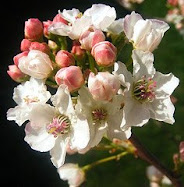
In the last ten days, all the spring flowers in the garden have progressed from the idea of climbing out of bed to eyes-wide-open bloom. Now there is a nature's jewel box of color spilled across the garden, from front to back. In bloom are sugar-almond colored hyacinths, daffodils and jonquils in shades of lemon, apricot, peach, ivory and orange, denim-blue grape hyacinths, primroses, forsythia, windflowers, snowdrops and tulips. The river birch is covered in dangling catkins and tiny lime leaf buds. The Cleveland pear is bedecked in buds as well, as are the Fuji apple tree, the sweet cherry sapling, the lilacs and rosebushes.

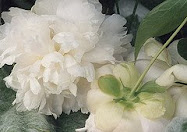
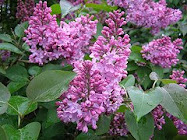
The garden will remain awash in the spring-flowering bulbs for the first half of the month, but May has even more plenty in store, currently powdering its nose in the wings for an entrance from mid-month on. The creeping phlox in magenta, dusty pink and periwinkle, the wizened little faces of violas, the lilacs with their delectable rich nectar scent, and the penultimate flower that will grace the final days of May, the luxuriant peonies. No flower that grows anywhere in the world smells more heavenly to me, none possesses looks of more perfect beauty.

Springtime, the merry, burgeoning month of May, and the fresh, delicious flowers it comes bearing win the affections easily after the long scent and color drought of winter. Because they are first on the scene after the months of drear and grey, May flowers have an inside track for the position of favorite. Then too, the spring bulbs require nothing of the gardener once they've been snuggled into the earth, holding everything within their dark core that is necessary to bursting into bloom, given a couple daily hours of incremental sunlight and some April showers. No pinching back, fertilizing, pruning, weeding, de-bugging, not one chore must be undertaken for the flowers of May to launch their splendor. For this month only, in the seasons of the garden, the gardener can mostly relax, gaze in awe at Nature's opening show of many-colored handiwork, and savor the pleasure, the gifts of the garden.

“Earth is so kind,” the English writer Douglas Jerrold says, “just tickle her with a hoe and she laughs with a harvest.” While that may not be a totally accurate description of earth's horticultural behavior in the perishing hot, dry spells of summer, or the alternating frosts and Indian-summer heat of autumn, it portrays the insouciance and largesse of the May garden to a nicety.

May 5, 2009

War of the Weeds

“The misunderstanding I have with Nature over my perennial border,” writes gardener Sara Stein, “I think it is a flower garden. She thinks it is a meadow lacking grass, and tries to correct the error.” A similar misunderstanding and attempted “correction” plays out in my garden every year. Since the garden is meant to cover the whole of the lot, however, the annual war of the grass weeds is fought across the entire yard, not just in borders.

The primary foe in the ongoing skirmishes is a wild prairie grass, called little bluestem or wiregrass (pictured here), seconded in the field of contention by common lawn grass. The surface of the lot is covered in cypress wood chips, and at this writing, about one-third of the lot also hosts garden shrubs, trees and plants. The wood-chip covered areas do not have garden plantings because time and money did not allow the whole lot to be landscaped at one fell swoop. While the gardened areas are added to and expanded each year, the wild grasses have been able to establish in swathes along the sides, front and back perimeters of the lot. Every fall, opportunistic tumbleweeds of grass seed blow into the yard from neighboring yards and meadows, and every spring the patches of prairie and lawn grasses merrily resprout in unsightly, random clumps and ragtag bands.

The grasses are incredibly resilient and disgustingly healthy. The gardener tromps around on them in all seasons, digs them out, never waters them, and regularly directs curses and spells towards them, all to no avail. They grow, as grasses are wont to do, like the dickens, and every summer must be mowed down every three weeks or so. Since mowing a lawn was never part of the garden plan, the gardener must needs borrow a lawnmower for this obnoxious task from a neighbor, then has to inflict a couple hours' worth of extremely unpleasant and harmful lawnmower gasoline engine fumes on the environs, and finally has to re-mulch all the mowed areas with new cypress chips, since the lawnmower chops and blows the ground cover to smithereens, leaving behind sad, bare stretches of earth.

Last year, the gardener attempted a more resounding assault upon the invaders. Using the weed-killer Round-Up, the blades of the grasses were sprayed as they emerged, primarily in the places where they were extending their reach toward the flower beds, and on the random scatterings of outcroppings in new, previously uncolonized locations. If the spraying occurred on a sunny day that was followed by at least a week or two of more sunny days and no rainfall (chance would be a fine thing!), most (not all) the sprayed grasses would, in fact, turn yellow, then brown, and die. The roots, apparently, seldom if ever met a like fate, as within another couple weeks, new grass infants would be born in adjacent locations.

The herbicide spraying tactic will not be employed this year. Not because in the big picture it didn't really work, not because Round-Up is very expensive, relative to the garden budget, and the profits go to Monsanto, a multi-national chemical company that has been manufacturing horticultural, agricultural and military poisons for decades. The spraying won't be repeated because the gardener does not want to commit murder, not even a little bit of murder of the earth, and that is precisely what synthetic chemical herbicides, insecticides and fertilizers do. The war of the weeds got the better of the gardener's knowledge, common sense and principles last year. I lost my patience (and a little of my mind) in the heat of battle, and employed a strategy I abhor. Never again.

The death of the particular sprayed grasses is not the issue. Common lawn grass and little bluestem flourish ubiquitously throughout the Great Lakes and Midwest regions, and across prairies and yards on the whole North American continent. They are invasive, not by any stretch of the imagination endangered. But spray-bombing a single species of plant or insect is not a finite act. Toxic chemicals do not simply kill the species upon which they are applied. They debilitate everything they come into contact with, and once a poison chemical enters the ecosystem, it cannot be confined nor contained. An ecosystem is a contiguous whole, its parts cannot be isolated one from the others, and what befalls any of its individual parts will migrate, stealthy, silent and deadly, to all.

Chemicals sprayed on plants or insects enter and lodge in the seeds, pollen, eggs, roots, underwater streams, wells and water tables, dew and rainfall. Animals that feed on the plants or insects ingest the poison, and in turn also become poisoned and poisonous. Toxic substances thus spread from the single plant or insect to the soil, earthworms, creeks, rivers, lakes and oceans, fish and birds, wild and domestic animals, and human consumers of the plants and animals. Poisonous chemicals from herbicides and insecticides have been found in the seeds and subsequent generations of plants of sprayed species, they have been found in the honey produced by bees from the nectar of sprayed plants, and in the eggs and fledglings of birds that feed on poisoned insects. What's more, chemically poisoned plants and insects can develop a survival resistance to their assailants and undergo a flareback phenomenon wherein they resurge in greater, stronger numbers. To unleash a fusillade of poisons on any segment of the earth's ecosystem can render it unfit for all life forms, contaminating the entire environment.

So, the gardener made an egregious mistake last year, but has mended her errant ways, and approaches the garden and contemplates the flings of swaggering new grass sprouts with a revised, chastened attitude. Bands of rangy grasses here and there throughout the garden will be accepted as flagbearers of Nature's exuberance, will to live, and vibrant health on this little plot of land. A benign trowel or spade will root out any brigades of grasses that forge into no-go areas of flower beds. A non-polluting, manually operated rotary lawnmower will be acquired to keep the larger stretches of grass in trim. The gardener will henceforth bear in mind that the goal here is to make this village lot a better, more fecund and robust corner of the earth, rife with life and propitious to all comers. Pinching fingers or hungry praying mantis are still the best deterrent for tentworm caterpillars, after all, and ladybugs like no dinner menu better than aphids off the rosebush.

April 27, 2009

Succulent Love

In a garden or greenhouse, on a windowsill or between patio pavers, succulents hold an irresistible attraction. They draw us to them, stop us in our tracks, detain us in spellbound, contemplative fascination of their strange beauty. The secret of succulent seduction lies in their droll physical forms. More than any other plant type, their wildly diverse and numerous varieties assume singular forms that embody drama and sculptural silhouettes, humor and mysterious textures, delicate color and bizarre, other-worldly skins. Succulents radiate an ambience of sand dune warmth, they conjure shimmery images of armadillos, burros, salt flats, palm trees. Even their name is alluring, sexy – the soft sibilant beginning, the sultry depths of the long vowel center, the certainty of the consonant closing.

Although associated instantly in the imagination with the hot and arid environs of the desert, many succulents are cold-hardy and will prosper in Michigan gardens. Hardy succulents are extremely tough characters, well-suited to the strong weather and seasons of the northern Great Lakes region. They revel in annual hard frosts and dormant months as part of their natural cycle. They can shrug off prolonged drought and high heat, doing dandy in temperatures that range into the high 90s. Cold-hardy varieties can ignore downward spirals of the thermometer to depths of -30 fahrenheit, growing as far north as into the Canadian provinces of Alberta, Saskatchewan and British Columbia.

Succulents have no need of water beyond that brought by rain, dew and snow. If anything, they dislike sitting in puddly soil that does not dry out. This makes them ideal plants for the sandy, rocky, quick-draining soil of northwestern Michigan, as well as sturdy, happy occupants of gravel beds, rock gardens and living wreaths. They will cheerfully burgeon in containers with half or less the watering desired by any other plants, and respond to days and weeks of unmitigated sunshine by stretching out in sunbather pleasure. Most are also completely impervious to grazing wildlife, predatory pests, insects and diseases.

The longevity and self-propagating ability of succulents is impressive. Their season lasts from early summer through first nipping of frost. Sempervivums (commonly known as hens and chicks) very name means live forever, and the lovely, symmetrical rosettes of leaves generously pop out offsets (the chicks) to expand and carry on the family ad infinitum into the future. To divide and reproduce any succulent, from a prickly pear to a jade plant to sedums, the entire process involves simply cutting or pinching off a leaf or branch, sticking it in soil, watering it in, stepping back and watching it grow. So tenacious are these plants, if a leaf falls or gets accidentally knocked to the earth, it often will put down root and start growing without any external help whatsoever.

Sempervivums come in over 100 different varietal types, with a spectrum of luscious colors from coolest twilight grey-green to mahogany red. The cobweb species hens and chicks spins a silky web of threads across the rosette heads, giving it a gossamer and tempting veil that beckons touch. The unique texture of succulent skin, whether it be the waxy smoothness of a jade leaf, the sharp thorns of cactus, or the hairy tendrils of a Missouri pincushion, make it a wonderful tactile as well as visual sensation.

Sedum hardy succulents, in addition to the purple emperor and other familiar upright, 2-to-3 foot tall versions, can be found in dwarf, spreading, ground-cover styles. Red carpet sedum is a spreader with dark rose to burgundy leaves that keep their color all year long; John Creech has tight, overlapping mint green leaves that form ground-hugging mats with an abundance of pink flowers. Or check out the dragon blood and fuldaglut spurium sedums, or the lavender Vera Jameson sedum, all great ground-covers.

Believe it or not, prickly pear cactus can grow in Michigan gardens, provided one chooses a hardy species such as the purple-fruited, porcupine, or cliff pricky pear, all of which have naturalized into southern Canada. The spineless hedgehog, claret cut and mountain ball are other cacti suitable for cold climate gardens. Opuntias, variegated yuccas with their sedge-like leaf blades, and hardy agaves are succulent genus members who can handle all four seasons without breaking a sweat or catching chillblanes. To learn more about north country succulents, a fine and thorough book is “Hardy Succulents: Tough Plants for Every Climate,” by Gwen Kelaidis, from Storey Publishing. Or visit a nice website at www.cactiguide.com, or tour a mail-order succulent nursery at www.simplysucculents.com

There is an old country tradition of grandparents giving sempervivum chicks to their grandchildren, to carry on new plant generations with the new family generations. The tradition may have arisen because hens and chicks were fairly common to many country households, or because growing-on the chicks is so easy it really can be done by a young child. However it began, hardy succulents make relaxed, low-maintenance, witty and hilarious, theatrical and entertaining extended family members both indoors and out, in a clay pot or broadcast across the yard.

April 20, 2009

Garden Groundswell

Now you're cooking with grease!, as my grandma used to say when something or someone got on the right track. On several recent days, the thermometer crested the 60-degree mark that is the demarcation line between winter's coattails and spring's hello handshake. The daffodills, jonquills, primroses, tulips, hyacinths, snowdrops and a few of the windflowers are halfway up out of the ground, a handful already opening blooms in the warm afternoon sunshine. True, a temperature backslide and snow flurries are forecast for April's second half, but the setback will be fleeting, the seesaw ride of springtime in northern Michigan has begun in earnest.

Thus far the only sowing has been a ring of sweet pea seeds, around the base of a metal tripod sculpture well-suited to their climbing propensities. They are the only plant on this year's roster that can be, and actually does best if planted a month or so before the night (and occasional day) frosts cease. Each pea seed was nicked with a nail clipper to open a breach in the hard shell, then they were left on a water-soaked paper towel for 24 hours for pre-planting moisturizing, then sown in fresh-laid composted cow manure, the par excellence substance in which to plant everything and anything. Next planting date will be the rudbeckia and verbena bonariensis seeds on April 30, flowers that want no more, no less than planting just a couple weeks before likely last frost. April 30 because that's the next day when the moon, stars and planets are in favorable conjunction for sowing flower seeds (see below "Moonlight Becomes Your Garden," a February 13, 2009 post, for more on astronomy and planting).

Gardening time functions mysteriously, much like Internet time or home carpentry time – whatever length of time one estimates will be spent on any given foray into the garden generally, reliably will end up taking two or three times longer. Look closely and there are always more tasks to be taken in hand in a garden, one more patch of weeds to clear, dry spots to water, birdbaths to fill, branches to prune. Thus, when setting out with the single, crisply defined goal of sweet pea seeding, a couple hours later found, also, the edging along the backyard ornamental grasses bed refreshed with new, fallen, woodlot-scavenged birch logs; a dozen or so wild, volunteer sprouts of cornflower (chicory) plants pulled (weed, wildflower, call it what you will, it will colonize the whole yard in short order if left unchecked); several handfuls of composted cow manure laid at the base of each rosebush and peony to start their seasons with a big dollop of high-nutrient dirt; and a couple garlic cloves plugged into the soil beneath each rosebush to fend off opportunistic deer and also boost flowering, both of which garlic does masterfully.

And in honesty, probably a good spell of the time on this garden venture, as on every one taken, was spent in simple, idle stillness and close observation. Just walking around my small village lot and pausing to examine and admire the minutiae of its colors, scents and textures gives me an inordinate amount of happiness. Pinching a lavender stalk or sage leaf to release their inimitable, earthy and heartwarming perfumes brings gladness and calmness. Feeling the loamy softness of compost sift through my hands induces purposefulness, reassurance, connectedness to the natural world. Staring at the whorls and wrinkles of birch or red oak bark, or the indigo of an opening primrose, or the innumerable variations of the color green in the score of plants putting out leaves – just being and seeing in the garden could occupy me completely contentedly for hours, and never fails to imbue me with feelings of great well-being. In the garden, active or lollygagging, all becomes right with the world, every time.

Also generating feelings of well-being and rightness is the unprecedented groundswell of gardening and environmental activism rolling across America this spring. The presidential family in the White House aren't the only ones digging up a lawn to plant a vegetable garden, there are more home gardens, community gardens, small holdings, and pots filled with tomato plants and herbs on patios and balconies than for decades past. Burpee and other seed companies report an increase of fruit and vegetable seed sales of a whopping 30% this spring over previous years. Natural, sustainable, organic gardening and farming methods and products are to be found in every garden store and even big box nursery, for the first time given shelf space equal to that of noxious, big chemical company, artificial fertilizers, herbicides and pesticides. There is a national and governmental commitment to pursuit of environmentally sound land and forest preservation and alternative energy development on a scale that has not been evident since the founding of the conservation movements and the national parkland set-asides during the early 1900s.

The raised national environmental consciousness has been brought about by the perfect storm of a crashing economy, a revulsion for dependence upon dirty petroleum products from foreign countries that largely wish America ill, and fear for the future of a planet weakened and struggling under the violent storms and rising temperatures of global pollution. Out of this miasma of bad acting and vile values of recent decades is emerging a determination to right our ways, restore health to our food and to the way we conduct our lives, and to take better care of the irreplaceable earth. Following the knowledge laid down by Alice Waters, J. I. Rodale, John Muir, Rachel Carson, Frederick Law Olmstead, Theodore Roosevelt and other pioneers of conservation, organic agriculture and natural foods, America is turning into a nation of green gardeners, tree planters, ecological preservationists. This springtime rebirth and regeneration stretching from coast to coast feels marvelous, and you can bet your garden galoshes that's exactly how it feels to the earth, as rakes and hoes get busy scratching her continental back.

April 13, 2009

Garden Healing

Having written of the perils of toxins in common garden plants a couple weeks ago, it's only fair and balanced to take another meander down the garden path, this time to highlight garden healers and promoters of good health. Gardening in and of itself confers benefits in vim, vigor and fitness of mind and body to the practitioner, but beyond those gains it also contains plant genuses which actively heal, soothe and remedy specific afflictions. Let's consider just a few of the most efficacious.

Garlic literally leaps to mind ahead of all comers in the plant world pharmacopoeia. Research has demonstrated that it helps prevent the occurrence of cancers in the body. Eaten raw and daily, it purges and cleanses the lungs (this one's for you, dear smokers). It will also ameliorate and forestall the recurrence of chronic cold sores, fever blisters, impetigo, hemorrhoids and chronic rashes, as well as battle acne into submission and enhance skin tone. It's able to settle upset stomachs and fend off Monteczuma's revenge (or diarrhea if you're outside Mexico), through it's very able anti-bacterial properties. A couple cloves a day of fresh garlic chopped fine, swallowed like a pill before eating, and washed down with a slug of milk to help mask any odor kickback, will accomplish all these curative feats. This homeopathic remedy is also probably the easiest in creation to be homegrown, as just pushing whole garlic cloves a couple inches down into good soil or compost in a sunny spot will yield new green shoots in about two weeks. When the leaves begin to brown and fall over, the garlic cloves are ripe for harvest.

Peppermint or spearmint, another plant genus that is only too eager to flourish in the garden, also puts a fast halt to stomach upsets, and the stomach-muscle spasms and other symptoms of norovirus infection. A tisane or tea of any type of mint leaves works better, in this regard, than drugstore pharmaceuticals. Mint is such an exuberant grower that it will spread throughout and take over a garden, given half a chance, so it is best planted in an enclosed or isolated location, or in containers where it can sprawl generously about to its heart's content.

The scarlet berries of hawthorn trees, adored by birds and adorning northerly landscapes throughout wintertime, were used in olden days to treat heart palpitations. Recent studies in England have shown this herbal treatment to be based upon provable results, as hawthorne berries yield significant benefits for people with chronic heart failure. They work in a manner similar to digitalis in cases of congestive heart failure, and hawthorne berries can redress high blood pressure, as well. High in antioxidants like their better-known cousin, the blueberry, hawthorne berries can boost resistance to development of dementia and aging of skin.

Lavender not only smells terrific and makes a very long-lasting dried flower, it's got remarkable soothing and calming powers. For centuries, sachets of dried lavender have been tucked under pillow shams to aid people with falling asleep. Lavender oil massaged into sore muscles will relieve pain, and rubbed on the skin over a headache it will reduce spasms and bring headache moderation or cessation. Clinical trials have found lavender oil effective in curing earache, and lavender scent successful in reducing feelings of agitation in patients with dementia or Alzheimer's. The English herbalist William Culpepper summed up lavender's talents accurately as “beneficent for all the grief and pains of the head.”

Primrose flowers are not only welcome pastel harbingers of the return of blooming season, but also are useful in alleviating common headaches and, like lavender, exert a quieting influence. For a healthful tonic or nervous system stimulant for lagging spirits, on the other hand, steep a teaspoonful of the dried bark of dogwood in a cup of boiling water for half an hour, and drink half a cupful daily. Comfrey root, prepared and drunk daily in the same manner, hot or cold, takes away nasal congestion and catarrh.

The elder tree was held in such high healing regard in times past as to be known colloquially as “the village pharmacy.” The flowers, berries, bark, roots and leaves all found medicinal uses, and hedgecutters would refuse to cut it down because of its renowned powers of medicinal good. Elderflower tea has been shown to deactivate viruses, and shorten the duration and strength of influenza.

Figwort leaves, another garden friend much esteemed in herbal folklore, stimulates skin cells that speed and promote the healing of wounds when used as a poultice or dressing. Rosehips made into a poultice will diminish the pain of arthritis and aching joints. This would come as no surprise to ancestral herbal healers, who traditionally rubbed rosehips onto painful joints of the hips, hands and knees. Rosehips offer an antioxidant and anti-inflammatory effect which assuages inflammatory conditions and thus results in elimination of pain.

The great advantage of most herbal and plant medicaments is that they have no nasty, undesirable side effects, as do so many chemically manufactured drugs. They are also free and readily at hand in many gardens, so obtaining and putting them to use will not impoverish the sufferer nor line the deep, already well-stocked pockets of pharmaceutical companies. The foregoing is but a tiny sampling of the many, many plant-world natural remedies for maladies of mind and body. A great starting point to pursue knowledge of nature's medicine chest can be accessed at the British National Institute of Medical Herbalists website, www.nimh.org.uk. As herbalist Joseph Meyer posits, “why use chemical drugs when nature in her wisdom has provided, in her great vegetable laboratories of the fields and forest, attenuation for the ills of mankind?” There now, don't you feel better already?

March 30, 2009

Spring Patience

Spring arrives later and proceeds down the garden, forest and farm-field aisles with more gradual, cautious steps in northern Michigan than it does even in parts of the state just a few hours to the south. When the lilac bushes hereabouts at last drop their shoulders under the weight of fully opened flowers, lilacs in the Detroit, Lansing and Grand Rapids areas will have passed their peak by a couple of weeks. Peonies generally aren't ready to shake out their pom-pom heads until after Memorial Day. Nighttime frosts continue with regularity right through April, can and do keep showing up in May to lay killing fingers on emerging growth. Memorial Day is traditionally held to be the earliest safe date for setting out tender starter plants, although last year that holiday weekend which is supposed to usher in summer brought, instead, a hard frost.

Along the coastal fringes of Lake Michigan, the water of the big lake moderates the temperature somewhat, and in consequence the last frost date here will be earlier than just a mile or so inland from the shoreline. Nonetheless, the nights still nosedive into the twenties and thirties throughout April and May. It is really hard to curtail the urge brought on by seductive spring daytime temperatures to get out in the garden and start sowing. The pile of seed packets stands at the ready on the kitchen counter, listing ever so longingly towards the back door. There are exciting new characters in the pile, with glamorous headshots profiling the good looks they are ready to bring to the garden stage. The planting instructions are perused again and again, maybe it didn't really say wait until after all chance of frost?

Patience isn't just a virtue, it is a non-negotiable job requirement for a gardener. Almost everything done in the garden is done for the delayed gratification, sometimes very long delayed, of a future reward. Being too hasty and attempting to accelerate any part of the stately, methodical process of raising a garden usually leads to heartbreak, as surely as does stampeding gung-ho into a fledgling romance. Gardens want to be courted the old-fashioned way, gently and steadily wooed into fruition. Their response to stalking, imploring and badgering will be to shrivel away from the suitor. Seeds and young plants put out when the nights still fall into frozen postures may not die, but neither will they thrive, and the poor, shocking start can arrest and stunt their growth throughout the summer.

Right now the signs of incipient spring are still almost nonexistent. The trees remain flat brown and grey, no blushes of returning growth yet color their bark in Easter pastel greens, yellows and rose. The grass on the meadows and fields is the tawny, lifeless color of dried cornstalks, the American dune grass on the beaches is the pale, quiescent blond of Marilyn Monroe's hair. In the garden, only the merest tip of the primroses, a handful of the daffodils, and a few skinny fronds of the poppies have made their way through the cold ground and taken on the green hue of rebirth.

In the last week or so, spring has deigned to advance far enough to re-open most of the hiking areas that become inaccessible under winter's snow and ice payload. As winter marches onward in the Leelanau Peninsula, the number of places where a hike can be taken diminish week by week. Trailheads become unreachable down unplowed, knee-high, snowed-buried country roads. With the trails out of reach, only the beaches remain passable for walkers. Then the treacherous, chunky, slick freezing of the sands sets in, arctic icebergs get thrown up on the shorelines by the tumultuous November and December gales, and the beaches, too, become unwalkable. By February and into March, only the town and village roads are left as possibilities for stretching the legs without first donning snowshoes or cross-country skis.

Spring has at least now bequeathed back the country trails, the dunes and beaches. The snow and ice have mostly melted, back-country gravel roads can be navigated, trailheads achieved. The dunes shed their winter duvets of snow, and startle again with how much, each year, they shift and change their shape. This spring the annual shape-shifting wrought by the winter winds is most visible at the Sleeping Bear Dunes dune climb along Highway 109. The dune climb plateau has migrated downward what looks to be about six feet, it's horizontal headland now scooped out to resemble a swayback sculpted crescent. The waterline of the lake is higher this year, as well, the winter's heavy precipitation having forwarded it right to the foot of the bluffs at Sleeping Bear Point, and swallowed up five to ten feet of sandy beach. New hills, ridgelines and sweeping sand bowls redefine the dune silhouettes all up and down the coast, a facelift that changes the vistas encountered on each familiar trail. The altered limbs and muscles of the dunes are a reminder that they live, breath, heave, cascade, and evolve. The bears do not stay still, but roll over in their sleep.

For now, the gardener needs to unhand those seed packets, take a deep breath, explore anew another trail friend back from winter hibernation, and accept the fact that calendar dates signifying the commencement of spring for other climes mean, in northern Michigan, that the garden is just turning over and snuggling back down into another month or two of its beauty sleep, not even close to prepared to rise and shine. As garden writer Eleanor Perenyi advises, “patience is the only way. The seasons can't be rushed, or halted.” Nature knows when the moment is right to bedeck herself in bonnets of narcissus and white gloves of snowdrops, to slip into her patten leather pumps of kelly green creeping phlox, and step forth to give us her hand for the opening dance of springtime. The gardener, hat in hand, can only wait.

March 20, 2009

Death in the Garden

Appearances can be dangerously deceptive in the garden. Some of the most delicate, pretty little things harbor substances that can easily fell a hale and hearty grown-up. Some flowers found in almost every full-fledged Michigan garden can raise welts and rashes on the skin, burn the ability to see from the eyes. Reading in a 1934 tome called “The Herbalist,” by Joseph E. Meyer, “author and compiler,” it's astounding how very many well-known garden friends and companions secretly possess the power to commit murder most foul.

Nibbling the young, spring leaves of delphinium or larkspur before the plant flowers, for instance, will rapidly poison the eater. The leaves and seeds of these plants may cause dermatitis. The fair-haired spring bulbs of narcissus, daffodil, jonquil and paper-whites all result in poisoning if ingested. At the other end of the flower season, autumn crocus are highly venomous, potentially not just sick-making but fatal if eaten.

The milky juice in young seed capsules of the poppy carries the extremely potent opium narcotic. Severe poisoning will also follow upon eating fresh or dried leaves of foxgloves, and children can be poisoned from chewing on foxglove flowers or seeds. Turkey mullein, or doveweed, holds in its veins a narcotic that was employed by Native Americans to make poisoned arrows, and which causes stupefaction when it enters the bloodstream.

Hellebore, or the Lenten rose, is filled with alkaloid toxins from its late-winter blooming flowers, to the leaves, to the extremely poisonous root, and consumption of any part of the plant can bring on violent vomiting. Bruising or brushing the leaves can also cause rashes. Sweet, petite lily-of-the-valley contains deadly amounts of cardiac clycosides in the leaves, flowers, rootstalk and berries. A child can perish just from drinking the water in a vase of these flowers! Considering how the lily-of-the-valley's enchanting scent, bell-shaped flower and diminutive size make it a magnet for children, its toxicity is especially worrisome. These little charmers bear close monitoring when children are about.

Some of the most attractive wildflowers are also very efficient poison-delivery systems. Dutchman's breeches, a very common and attractive sight every springtime throughout Michigan woodlands, have leaves and roots that will induce trembling, loss of balance, difficulty breathing and convulsions, should one be foolish enough to take a bite out of them. The fluid in the stalks of lady's slipper raises a poison ivy-like rash. Deadly nightshade (pictured above), also traveling under the alias of jimsonweed, is so lethal that consuming it leads to an intoxicated state, intense agony, delirium and death.

The latex sap in butterfly weed (or spurges) is potentially carcinogenic, burns the eyes and inflicts dermatitis. The feathery Chinese brake fern has an unusual talent for absorbing large amounts of arsenic from the soil, which it effortlessly passes along as a venom to those who eat its leaves. The bracken fern brings on acute poisoning in ruminants (including humans who may happen to graze upon it). The roots of squill are used to make a poison rodent powder. And the juice of milkweed stalks is another virulent poison, to animals and humans alike.

Jeepers creepers! Mother Nature sure knows how to arm her progeny with weapons against would-be predators. Of course, she also endows many of them with curative, calming and beneficial substances, as any herbal practitioner can attest. Even the baneful milkweed sap is said to eradicate warts if rubbed upon them (assuming one doesn't accidentally then transfer the affected area to one's mouth and die before the wart disappears).

The juice of the kindly Joe Pye weed, applied as a poultice, will heal sores, wounds and bruises, and hunters have noted that a wounded deer will seek out this weed to consume. The bark of willow trees and the ground leaf of Meadowsweet offer an aspirin-like chemical without aspirin's side effects, efficacious remedy for headaches, rheumatism and arthritis. Violets are known as nature's Vitamin C, being richer in this vitamin even than oranges, pound for pound. Verbena plants proffer a natural antidote to their more injurious cohorts by arresting and neutralizing the diffusion of ingested poison.

All told, it's clearly best to be well-armed with a thorough botanical guidebook before going noshing in the dodgy, chimerical environs of the plant world, even unto the gentle, frothy, fragile-seeming flower beds. Knowledge is needed to distinguish the benign edibles from the potential plant assassins and to identify horticultural helpers like the periwinkle. An old English herbalist, one Dr. Culpepper, promises that “the leaves of periwinkle, if eaten by man and wife together, will cause love between them.” And if that doesn't work out as anticipated, there's abundant recourse to be sought from Mother Nature's more pernicious gifts. Dram of nightshade tea, old thing?

March 14, 2009

Last Days of Winter and Nation's Dark Season

Pretty much everyone stopping in the corner EZ Mart for coffee, the village post office for mail, the IGA grocery, agrees it's high time for winter to get out of town. Winter unleashed salvos so early this year, barely letting Halloween close-up shop before it started landing left-right combinations of below-freezing temperatures and truckloads of snow. Big snow – more so far than in the last 13 years and it isn't over yet – and frostbite cold have stuck around almost without interruption for close on five months now. Everyone but the diehard skiers has joined the chorus shouting or muttering darkly, “Enough! Get away with you!”

The dire local, state and national socio-economic situation this winter further assaulted our spirits and fingersmithed our wallets. Investment bank and stock firm CEOs stole American homes, pensions and savings to buy themselves lavish lifestyles, and then walked away rich from the financial conflagration they ignited. When you're unemployed, or working reduced hours for a diminished paycheck, or agonizing over family members who can't scare up a decent job no matter how hard they search, or making choices between buying schoolbooks and supplies or buying food, getting smacked in the face with a sleety open palm of -5 wind and chill when you step outside starts to wear resilience to a pretty thin edge.

But the responsible grown-ups who make up 99% of the apples in our national bushel basket are a scrappy, determined, decent, can-do, inventive, street- and farmyard-smart bunch. Whether because spring hovers just down the road a stretch, or from the wise guidance of the elders among us who've weathered such national storm seasons before, or because American grit is founded in a credo of never give up, change for the better of all is en route. Led by the smartest, hardest-working and honorable president the country has enjoyed in decades, we are calling the corporate criminals to account, taking away their luxury penthouses and seizing back the stolen assets (and really, may Bernard Madoff, Arthur Nadel, John Thain and their ilk rot in hell).

We're figuring out creative methods to clean and green our industry and energy production, planting rooftop gardens on big box stores and assembly plants, and swapping out incandescent lightbulbs for long-lasting, low-energy fluorescents. We're rejuvenating our frugal, mend and make-do and grow your own and shop local, native know-how, reducing waste, recycling, lending a hand to neighbors and the needy, putting up windmills and taking down financial and environmental predators.

Progress is being made again. The country is emerging from its long, sharp, bone-shaking winter more savvy, leaner, more self-sufficient and healthier, more cognizant of and set on shoring up the common good than ever in recent memory. Baseball spring training is in full, oaken swing. Yesterday an honest-to-goodness, fat and fluffy robin redbreast – first one sighted this year -- alighted atop the crab apple tree in the back yard. The sap is running in the sugar maples, ready for tapping.

Counting down these final few frigid weeks until the song of the turtle is heard in the land, the simple, thrifty, cheering and succoring pleasures are what see north country denizens through. When the wind howls and tugs at the windowpanes, the snow cracks whips across the dune hills, the walkways and trails are too icy to maneuver, the gardener has recourse to the following list of true comforts with which to wait out winter's last gasps. If you have others, dear reader, please fire up the computer and send them along to share:

More time to spend reading newspapers, magazines, and in the entertaining, instructive companionship of treasured writers and fictional characters. Best books read since 2009 opened its eyes – “When Will There Be Good News?” by Kate Atkinson, “City of Thieves” by David Benioff, “The Brass Verdict” by Michael Connelly, “The Mystic Arts of Erasing All Signs of Death” by Charlie Huston, "Green Thoughts," by Eleanor Perenyi, “Child 44” by Tom Rob Smith, and “Flower Confidential” by Amy Stewart.

Herds (yes, herds) of hungry, beautiful deer, their coats the color of driftwood, strolling down the main streets of the village, leaping snowbanks, pausing in long, still moments just yards away.

Oil paintings of landscapes and interiors, see especially the American wing at the Detroit Institute of Arts and anything by Frederick Edwin Church or Albert Bierstadt. Or Ruth Conklin and Kristin Hurlin in Glen Arbor, Mimi Nieman in Leland, paintings you can enter and inhabit.

Rediscovering the satisfaction of home-cooking and rich, hearty meals of homemade soup, stew, chili, pot roast and noodles, chicken and dumplings. This week it will be corned beef, redskin potatoes and cabbage, naturally.

Hot cocoa. Scarlet geraniums blooming on the windowsills.

Two for the price of one burgers, Monday nights, Art's Tavern, as in the sublime mushroom/swiss burger. Eagles and Lions pancake breakfasts and fish fry suppers at the village town halls, up and down the Leelanau Peninsula.

The musical stylings of Leonard Cohen, Sarah McLachlan, Joni Mitchell and Bruce Springsteen. While this selection might lead others to want to jump in the shower and open a vein, it makes me sing.

Glimmering snow paint strokes across the burnished gold muscles of the sand dunes.

Sheltering in bookstores and coffee shops, boning up on the new crops in literature, indulging in the occasional thick, black and homicidal espresso concoction. Walking the aisles at the Ben Franklin five-and-dime and marveling at the cornucopia of inexpensive, useful household goods and chattels on offer.

Paint-up, fix-up, sort, clean-up, recycle time with the homefront, its closets, dressers and cedar chests. Getting down to business with needlework projects that tend to languish when the weather's fine, knitting, quilting, sewing nice, cozy flannel curtains for the north-facing windows.

Weeknight evenings, watching Jon Stewart and Steven Colbert on Comedy Central, and the brilliant Rachel Maddow on MSNBC, and thus getting schooled on the truth versus palaver in politics, government, current events, and getting to laugh out loud at the deft exposure of blowhards, scapegraces, blackguards and knuckleheads.

Down comforters and 9 p.m. bedtime, totally guilt-free. Goodnight, dear reader.

March 6, 2009

Spring Pruning

How cheering it is, after the big meltdown of a 50-degree day mid-week, to see the garden re-emerge and poke its head out of the disappearing snowpack. For the first time in several months, the small shrubs, cement statuary of rabbits and hedgehog, the spindly rosebushes and silver-sage lavender branchlettes, the amber pine needle mulch on the flower beds, all have doffed their thick snow blankets and begun to return the garden to view.

Sunday inaugurated the 2009 gardening year by being the first day of work in the garden. Or first hours would be more accurate, given that after two hours in the 29-degree temperature, the feet were so thoroughly chilled they made the hands down-tools, and strode up the path and back into the warmth indoors. Cold weather or not, the sky calendar of moon and stars dictated it was the best time to prune trees and shrubs, and really, this celestial command was happily obeyed. Though it was a shivery, nose-running two hours, it felt excellent to be abroad and at work in the garden again, with the soft, tempered warmth of the winter sunshine like a poultice on the face.

The goals of the pruning were to stimulate this year's growth, fruiting and flowering, to remove crossed, dead and unhealthy branches, and to shape and cut back branches going in unwanted directions. The young Fuji apple tree was the first customer for the clippers, as apple trees need sharp shearing during their youth if they are to mature into strong, fruit-bearing grown-ups. During this initial sally upon the garden's shaggy quarters, however, it quickly became apparent that not quite as much cutting back as recommended was going to be done. While I have no qualms about hacking out dead matter from the garden, it is extraordinarily difficult for this gardener to slice into living, apparently healthy growth and terminate it. In part, perhaps this cowardice is because all the inhabitants of the garden are still in their youth and on the small side. The vision is for the garden to be big, busting out all over, arms spread in luxurious, strapping growth, so even when one knows it will yield long-term horticultural dividends, it just seems wrong to assault and reduce the height and breadth the trees and shrubs have attained thus far in their short lives. So faint-heartedness and fond attachment to the progress of the garden denizens somewhat stayed the hand wielding the shears. The final result hopefully found a reasonable, efficacious balance between the cutting which could have been done, and that which the gardener deemed acceptably non-violent.

After the apple tree got its moderate trim job, it was on to the Chicago lustre viburnum, the American high bush cranberry, the diablo ninebark, and the red-twig dogwood shrubs, to remove just those branches rubbing against others, and a few offshoots encroaching into bordering areas. With all the leaves gone for winter, it's very easy to inspect and evaluate a tree or shrub, to spot problematic growth, and to see its silhouette and shape in full. The only troubling discovery was a barnacle-like, rock-hard growth about midway up a single branch on the apple tree, and a matching growth on a single branch of the red oak that is the next-door neighbor to the apple. This growth looks suspiciously like some type of fungal parasite, and will be taken to the nearby Sleeping Bear Dunes park headquarters for identification by the arbor and botany experts. All national parks and university extension services have these resident founts of knowledge on staff, and are a tremendous free source of information for the amateur gardener.

Next in line for barbering were the rosebushes, which also got a scaled down pruning this year, considerably less than the one-third cutback of prior winters. Jim, the head gardener at the local Wildflowers garden shop, also describes himself as “not a big fan of pruning,” and provided the knowledge that only hybrid tea roses really require a good cut-back each spring. Shrub and old-fashioned roses should be pruned only to remove dead stems. Even though spring is still a couple of moons away and the rosebushes remain in dormancy, it is obvious to the eye which boughs are alive by their ruddy, reddish-greenish hue, as opposed to the dull dark brown and gray tints of dead boughs. Where color of the bark is not so conspicuous, an easy method of determining life within a branch is to scrape a small portion of bark away with the fingernail. Living branches will have a pale green color just below the surface bark, while dead ones will be dry, gray and white.

The last tasks completed entailed snipping off the dead, collapsed leaves of the globe thistle, daylilies and iris, the dried and largely denuded seedheads of red carpet sedum, and the long, sprawling fronds of switchgrass and fountain grass which had been brought to their knees by the weight of the snow. The remaining pruning and clear-up – the Russian sage, blue oat grass and miscanthus silver grass – await another sunny day, when the temperatures are more amenable to bare-handed toil. Darling, unpredictable spring can't be too many weeks away now, and an afternoon spent tidying the garden proves a very satisfactory snippet of the good green season of outdoor occupation soon to come.