March 30, 2009

Spring Patience

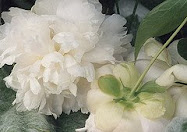
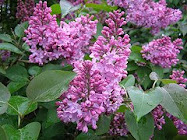
Spring arrives later and proceeds down the garden, forest and farm-field aisles with more gradual, cautious steps in northern Michigan than it does even in parts of the state just a few hours to the south. When the lilac bushes hereabouts at last drop their shoulders under the weight of fully opened flowers, lilacs in the Detroit, Lansing and Grand Rapids areas will have passed their peak by a couple of weeks. Peonies generally aren't ready to shake out their pom-pom heads until after Memorial Day. Nighttime frosts continue with regularity right through April, can and do keep showing up in May to lay killing fingers on emerging growth. Memorial Day is traditionally held to be the earliest safe date for setting out tender starter plants, although last year that holiday weekend which is supposed to usher in summer brought, instead, a hard frost.

Along the coastal fringes of Lake Michigan, the water of the big lake moderates the temperature somewhat, and in consequence the last frost date here will be earlier than just a mile or so inland from the shoreline. Nonetheless, the nights still nosedive into the twenties and thirties throughout April and May. It is really hard to curtail the urge brought on by seductive spring daytime temperatures to get out in the garden and start sowing. The pile of seed packets stands at the ready on the kitchen counter, listing ever so longingly towards the back door. There are exciting new characters in the pile, with glamorous headshots profiling the good looks they are ready to bring to the garden stage. The planting instructions are perused again and again, maybe it didn't really say wait until after all chance of frost?

Patience isn't just a virtue, it is a non-negotiable job requirement for a gardener. Almost everything done in the garden is done for the delayed gratification, sometimes very long delayed, of a future reward. Being too hasty and attempting to accelerate any part of the stately, methodical process of raising a garden usually leads to heartbreak, as surely as does stampeding gung-ho into a fledgling romance. Gardens want to be courted the old-fashioned way, gently and steadily wooed into fruition. Their response to stalking, imploring and badgering will be to shrivel away from the suitor. Seeds and young plants put out when the nights still fall into frozen postures may not die, but neither will they thrive, and the poor, shocking start can arrest and stunt their growth throughout the summer.

Right now the signs of incipient spring are still almost nonexistent. The trees remain flat brown and grey, no blushes of returning growth yet color their bark in Easter pastel greens, yellows and rose. The grass on the meadows and fields is the tawny, lifeless color of dried cornstalks, the American dune grass on the beaches is the pale, quiescent blond of Marilyn Monroe's hair. In the garden, only the merest tip of the primroses, a handful of the daffodils, and a few skinny fronds of the poppies have made their way through the cold ground and taken on the green hue of rebirth.

In the last week or so, spring has deigned to advance far enough to re-open most of the hiking areas that become inaccessible under winter's snow and ice payload. As winter marches onward in the Leelanau Peninsula, the number of places where a hike can be taken diminish week by week. Trailheads become unreachable down unplowed, knee-high, snowed-buried country roads. With the trails out of reach, only the beaches remain passable for walkers. Then the treacherous, chunky, slick freezing of the sands sets in, arctic icebergs get thrown up on the shorelines by the tumultuous November and December gales, and the beaches, too, become unwalkable. By February and into March, only the town and village roads are left as possibilities for stretching the legs without first donning snowshoes or cross-country skis.

Spring has at least now bequeathed back the country trails, the dunes and beaches. The snow and ice have mostly melted, back-country gravel roads can be navigated, trailheads achieved. The dunes shed their winter duvets of snow, and startle again with how much, each year, they shift and change their shape. This spring the annual shape-shifting wrought by the winter winds is most visible at the Sleeping Bear Dunes dune climb along Highway 109. The dune climb plateau has migrated downward what looks to be about six feet, it's horizontal headland now scooped out to resemble a swayback sculpted crescent. The waterline of the lake is higher this year, as well, the winter's heavy precipitation having forwarded it right to the foot of the bluffs at Sleeping Bear Point, and swallowed up five to ten feet of sandy beach. New hills, ridgelines and sweeping sand bowls redefine the dune silhouettes all up and down the coast, a facelift that changes the vistas encountered on each familiar trail. The altered limbs and muscles of the dunes are a reminder that they live, breath, heave, cascade, and evolve. The bears do not stay still, but roll over in their sleep.

For now, the gardener needs to unhand those seed packets, take a deep breath, explore anew another trail friend back from winter hibernation, and accept the fact that calendar dates signifying the commencement of spring for other climes mean, in northern Michigan, that the garden is just turning over and snuggling back down into another month or two of its beauty sleep, not even close to prepared to rise and shine. As garden writer Eleanor Perenyi advises, “patience is the only way. The seasons can't be rushed, or halted.” Nature knows when the moment is right to bedeck herself in bonnets of narcissus and white gloves of snowdrops, to slip into her patten leather pumps of kelly green creeping phlox, and step forth to give us her hand for the opening dance of springtime. The gardener, hat in hand, can only wait.

March 20, 2009

Death in the Garden

Appearances can be dangerously deceptive in the garden. Some of the most delicate, pretty little things harbor substances that can easily fell a hale and hearty grown-up. Some flowers found in almost every full-fledged Michigan garden can raise welts and rashes on the skin, burn the ability to see from the eyes. Reading in a 1934 tome called “The Herbalist,” by Joseph E. Meyer, “author and compiler,” it's astounding how very many well-known garden friends and companions secretly possess the power to commit murder most foul.

Nibbling the young, spring leaves of delphinium or larkspur before the plant flowers, for instance, will rapidly poison the eater. The leaves and seeds of these plants may cause dermatitis. The fair-haired spring bulbs of narcissus, daffodil, jonquil and paper-whites all result in poisoning if ingested. At the other end of the flower season, autumn crocus are highly venomous, potentially not just sick-making but fatal if eaten.

The milky juice in young seed capsules of the poppy carries the extremely potent opium narcotic. Severe poisoning will also follow upon eating fresh or dried leaves of foxgloves, and children can be poisoned from chewing on foxglove flowers or seeds. Turkey mullein, or doveweed, holds in its veins a narcotic that was employed by Native Americans to make poisoned arrows, and which causes stupefaction when it enters the bloodstream.

Hellebore, or the Lenten rose, is filled with alkaloid toxins from its late-winter blooming flowers, to the leaves, to the extremely poisonous root, and consumption of any part of the plant can bring on violent vomiting. Bruising or brushing the leaves can also cause rashes. Sweet, petite lily-of-the-valley contains deadly amounts of cardiac clycosides in the leaves, flowers, rootstalk and berries. A child can perish just from drinking the water in a vase of these flowers! Considering how the lily-of-the-valley's enchanting scent, bell-shaped flower and diminutive size make it a magnet for children, its toxicity is especially worrisome. These little charmers bear close monitoring when children are about.

Some of the most attractive wildflowers are also very efficient poison-delivery systems. Dutchman's breeches, a very common and attractive sight every springtime throughout Michigan woodlands, have leaves and roots that will induce trembling, loss of balance, difficulty breathing and convulsions, should one be foolish enough to take a bite out of them. The fluid in the stalks of lady's slipper raises a poison ivy-like rash. Deadly nightshade (pictured above), also traveling under the alias of jimsonweed, is so lethal that consuming it leads to an intoxicated state, intense agony, delirium and death.

The latex sap in butterfly weed (or spurges) is potentially carcinogenic, burns the eyes and inflicts dermatitis. The feathery Chinese brake fern has an unusual talent for absorbing large amounts of arsenic from the soil, which it effortlessly passes along as a venom to those who eat its leaves. The bracken fern brings on acute poisoning in ruminants (including humans who may happen to graze upon it). The roots of squill are used to make a poison rodent powder. And the juice of milkweed stalks is another virulent poison, to animals and humans alike.

Jeepers creepers! Mother Nature sure knows how to arm her progeny with weapons against would-be predators. Of course, she also endows many of them with curative, calming and beneficial substances, as any herbal practitioner can attest. Even the baneful milkweed sap is said to eradicate warts if rubbed upon them (assuming one doesn't accidentally then transfer the affected area to one's mouth and die before the wart disappears).

The juice of the kindly Joe Pye weed, applied as a poultice, will heal sores, wounds and bruises, and hunters have noted that a wounded deer will seek out this weed to consume. The bark of willow trees and the ground leaf of Meadowsweet offer an aspirin-like chemical without aspirin's side effects, efficacious remedy for headaches, rheumatism and arthritis. Violets are known as nature's Vitamin C, being richer in this vitamin even than oranges, pound for pound. Verbena plants proffer a natural antidote to their more injurious cohorts by arresting and neutralizing the diffusion of ingested poison.

All told, it's clearly best to be well-armed with a thorough botanical guidebook before going noshing in the dodgy, chimerical environs of the plant world, even unto the gentle, frothy, fragile-seeming flower beds. Knowledge is needed to distinguish the benign edibles from the potential plant assassins and to identify horticultural helpers like the periwinkle. An old English herbalist, one Dr. Culpepper, promises that “the leaves of periwinkle, if eaten by man and wife together, will cause love between them.” And if that doesn't work out as anticipated, there's abundant recourse to be sought from Mother Nature's more pernicious gifts. Dram of nightshade tea, old thing?

March 14, 2009

Last Days of Winter and Nation's Dark Season

Pretty much everyone stopping in the corner EZ Mart for coffee, the village post office for mail, the IGA grocery, agrees it's high time for winter to get out of town. Winter unleashed salvos so early this year, barely letting Halloween close-up shop before it started landing left-right combinations of below-freezing temperatures and truckloads of snow. Big snow – more so far than in the last 13 years and it isn't over yet – and frostbite cold have stuck around almost without interruption for close on five months now. Everyone but the diehard skiers has joined the chorus shouting or muttering darkly, “Enough! Get away with you!”

The dire local, state and national socio-economic situation this winter further assaulted our spirits and fingersmithed our wallets. Investment bank and stock firm CEOs stole American homes, pensions and savings to buy themselves lavish lifestyles, and then walked away rich from the financial conflagration they ignited. When you're unemployed, or working reduced hours for a diminished paycheck, or agonizing over family members who can't scare up a decent job no matter how hard they search, or making choices between buying schoolbooks and supplies or buying food, getting smacked in the face with a sleety open palm of -5 wind and chill when you step outside starts to wear resilience to a pretty thin edge.

But the responsible grown-ups who make up 99% of the apples in our national bushel basket are a scrappy, determined, decent, can-do, inventive, street- and farmyard-smart bunch. Whether because spring hovers just down the road a stretch, or from the wise guidance of the elders among us who've weathered such national storm seasons before, or because American grit is founded in a credo of never give up, change for the better of all is en route. Led by the smartest, hardest-working and honorable president the country has enjoyed in decades, we are calling the corporate criminals to account, taking away their luxury penthouses and seizing back the stolen assets (and really, may Bernard Madoff, Arthur Nadel, John Thain and their ilk rot in hell).

We're figuring out creative methods to clean and green our industry and energy production, planting rooftop gardens on big box stores and assembly plants, and swapping out incandescent lightbulbs for long-lasting, low-energy fluorescents. We're rejuvenating our frugal, mend and make-do and grow your own and shop local, native know-how, reducing waste, recycling, lending a hand to neighbors and the needy, putting up windmills and taking down financial and environmental predators.

Progress is being made again. The country is emerging from its long, sharp, bone-shaking winter more savvy, leaner, more self-sufficient and healthier, more cognizant of and set on shoring up the common good than ever in recent memory. Baseball spring training is in full, oaken swing. Yesterday an honest-to-goodness, fat and fluffy robin redbreast – first one sighted this year -- alighted atop the crab apple tree in the back yard. The sap is running in the sugar maples, ready for tapping.

Counting down these final few frigid weeks until the song of the turtle is heard in the land, the simple, thrifty, cheering and succoring pleasures are what see north country denizens through. When the wind howls and tugs at the windowpanes, the snow cracks whips across the dune hills, the walkways and trails are too icy to maneuver, the gardener has recourse to the following list of true comforts with which to wait out winter's last gasps. If you have others, dear reader, please fire up the computer and send them along to share:

More time to spend reading newspapers, magazines, and in the entertaining, instructive companionship of treasured writers and fictional characters. Best books read since 2009 opened its eyes – “When Will There Be Good News?” by Kate Atkinson, “City of Thieves” by David Benioff, “The Brass Verdict” by Michael Connelly, “The Mystic Arts of Erasing All Signs of Death” by Charlie Huston, "Green Thoughts," by Eleanor Perenyi, “Child 44” by Tom Rob Smith, and “Flower Confidential” by Amy Stewart.

Herds (yes, herds) of hungry, beautiful deer, their coats the color of driftwood, strolling down the main streets of the village, leaping snowbanks, pausing in long, still moments just yards away.

Oil paintings of landscapes and interiors, see especially the American wing at the Detroit Institute of Arts and anything by Frederick Edwin Church or Albert Bierstadt. Or Ruth Conklin and Kristin Hurlin in Glen Arbor, Mimi Nieman in Leland, paintings you can enter and inhabit.

Rediscovering the satisfaction of home-cooking and rich, hearty meals of homemade soup, stew, chili, pot roast and noodles, chicken and dumplings. This week it will be corned beef, redskin potatoes and cabbage, naturally.

Hot cocoa. Scarlet geraniums blooming on the windowsills.

Two for the price of one burgers, Monday nights, Art's Tavern, as in the sublime mushroom/swiss burger. Eagles and Lions pancake breakfasts and fish fry suppers at the village town halls, up and down the Leelanau Peninsula.

The musical stylings of Leonard Cohen, Sarah McLachlan, Joni Mitchell and Bruce Springsteen. While this selection might lead others to want to jump in the shower and open a vein, it makes me sing.

Glimmering snow paint strokes across the burnished gold muscles of the sand dunes.

Sheltering in bookstores and coffee shops, boning up on the new crops in literature, indulging in the occasional thick, black and homicidal espresso concoction. Walking the aisles at the Ben Franklin five-and-dime and marveling at the cornucopia of inexpensive, useful household goods and chattels on offer.

Paint-up, fix-up, sort, clean-up, recycle time with the homefront, its closets, dressers and cedar chests. Getting down to business with needlework projects that tend to languish when the weather's fine, knitting, quilting, sewing nice, cozy flannel curtains for the north-facing windows.

Weeknight evenings, watching Jon Stewart and Steven Colbert on Comedy Central, and the brilliant Rachel Maddow on MSNBC, and thus getting schooled on the truth versus palaver in politics, government, current events, and getting to laugh out loud at the deft exposure of blowhards, scapegraces, blackguards and knuckleheads.

Down comforters and 9 p.m. bedtime, totally guilt-free. Goodnight, dear reader.

March 6, 2009

Spring Pruning

How cheering it is, after the big meltdown of a 50-degree day mid-week, to see the garden re-emerge and poke its head out of the disappearing snowpack. For the first time in several months, the small shrubs, cement statuary of rabbits and hedgehog, the spindly rosebushes and silver-sage lavender branchlettes, the amber pine needle mulch on the flower beds, all have doffed their thick snow blankets and begun to return the garden to view.

Sunday inaugurated the 2009 gardening year by being the first day of work in the garden. Or first hours would be more accurate, given that after two hours in the 29-degree temperature, the feet were so thoroughly chilled they made the hands down-tools, and strode up the path and back into the warmth indoors. Cold weather or not, the sky calendar of moon and stars dictated it was the best time to prune trees and shrubs, and really, this celestial command was happily obeyed. Though it was a shivery, nose-running two hours, it felt excellent to be abroad and at work in the garden again, with the soft, tempered warmth of the winter sunshine like a poultice on the face.

The goals of the pruning were to stimulate this year's growth, fruiting and flowering, to remove crossed, dead and unhealthy branches, and to shape and cut back branches going in unwanted directions. The young Fuji apple tree was the first customer for the clippers, as apple trees need sharp shearing during their youth if they are to mature into strong, fruit-bearing grown-ups. During this initial sally upon the garden's shaggy quarters, however, it quickly became apparent that not quite as much cutting back as recommended was going to be done. While I have no qualms about hacking out dead matter from the garden, it is extraordinarily difficult for this gardener to slice into living, apparently healthy growth and terminate it. In part, perhaps this cowardice is because all the inhabitants of the garden are still in their youth and on the small side. The vision is for the garden to be big, busting out all over, arms spread in luxurious, strapping growth, so even when one knows it will yield long-term horticultural dividends, it just seems wrong to assault and reduce the height and breadth the trees and shrubs have attained thus far in their short lives. So faint-heartedness and fond attachment to the progress of the garden denizens somewhat stayed the hand wielding the shears. The final result hopefully found a reasonable, efficacious balance between the cutting which could have been done, and that which the gardener deemed acceptably non-violent.

After the apple tree got its moderate trim job, it was on to the Chicago lustre viburnum, the American high bush cranberry, the diablo ninebark, and the red-twig dogwood shrubs, to remove just those branches rubbing against others, and a few offshoots encroaching into bordering areas. With all the leaves gone for winter, it's very easy to inspect and evaluate a tree or shrub, to spot problematic growth, and to see its silhouette and shape in full. The only troubling discovery was a barnacle-like, rock-hard growth about midway up a single branch on the apple tree, and a matching growth on a single branch of the red oak that is the next-door neighbor to the apple. This growth looks suspiciously like some type of fungal parasite, and will be taken to the nearby Sleeping Bear Dunes park headquarters for identification by the arbor and botany experts. All national parks and university extension services have these resident founts of knowledge on staff, and are a tremendous free source of information for the amateur gardener.

Next in line for barbering were the rosebushes, which also got a scaled down pruning this year, considerably less than the one-third cutback of prior winters. Jim, the head gardener at the local Wildflowers garden shop, also describes himself as “not a big fan of pruning,” and provided the knowledge that only hybrid tea roses really require a good cut-back each spring. Shrub and old-fashioned roses should be pruned only to remove dead stems. Even though spring is still a couple of moons away and the rosebushes remain in dormancy, it is obvious to the eye which boughs are alive by their ruddy, reddish-greenish hue, as opposed to the dull dark brown and gray tints of dead boughs. Where color of the bark is not so conspicuous, an easy method of determining life within a branch is to scrape a small portion of bark away with the fingernail. Living branches will have a pale green color just below the surface bark, while dead ones will be dry, gray and white.

The last tasks completed entailed snipping off the dead, collapsed leaves of the globe thistle, daylilies and iris, the dried and largely denuded seedheads of red carpet sedum, and the long, sprawling fronds of switchgrass and fountain grass which had been brought to their knees by the weight of the snow. The remaining pruning and clear-up – the Russian sage, blue oat grass and miscanthus silver grass – await another sunny day, when the temperatures are more amenable to bare-handed toil. Darling, unpredictable spring can't be too many weeks away now, and an afternoon spent tidying the garden proves a very satisfactory snippet of the good green season of outdoor occupation soon to come.

February 24, 2009

Garden Ease

Maybe to an observer it looks like a lovely dalliance to collect baskets of fat, ripe tomatoes or snip bouquets of pastel blushing roses, but in reality gardening is hard work. It can be expensive enough to carve craters in the bank account if the common garden affliction of “plant lust” infects the gardener. And it requires a long-term commitment of resources, toil and time similar to, but much more labor-intensive than adopting a pet. A garden is never a finite task with a start, middle and completion, but rather a work-in-progress the gardener must continue to tend, tutor, define, discipline and support for all of the garden's lifespan.

Nonetheless, for those who'd like to like to harvest some of the rewards a garden brings without having to devote every fair-weather free hour to its care, or who are daunted by the seeming complexity and cost of cultivation, or discouraged by a big, empty, wildly needy arena of yard, there are approaches that will let the novice or the skint wade in the refreshing shallows of gardening, and avoid plunging headfirst into its subsuming depths. Let simplicity and thrift be the guiding principles behind nascent forays into gardening, and its pleasures can be realized by one and all.

Start small. If you have a whole yard without so much as a single crocus growing, or with unattractive landscaping like the drab, ubiquitous, evergreen shrubs that so often flank a house foundation, pick just one area to begin to remedy the emptiness and neglect. Make it a spot where you like to spend time outdoors (around a patio, in front of a porch), or that will enliven the view from windows (the borders of the front walk, the center of the back yard), or where something hideous needs to be removed (patches of weeds, dead or old, woody shrubs). Define a modest, limited area, such as a circular bed in the lawn, a half-moon bed by the front door, a foot of border along a walkway, and dig in. Don't be intimidated by thoughts of having to dig out the ancient roots of trees or shrubs that need to go, these can simply be sawn off at the ground and carted away. The roots will die out over time as long as any new shoots that appear are cut down.

Flower bulbs. For the sweetest, longest-lasting payback to the most minimal cost and effort, bulbs are the ticket. Just put them in the ground at the depth and season recommended and for years to come they will give the garden flowers. Replace the dirt from the hole dug for the bulbs with composted cow manure, cheap garden gold at about $3 for a 40-pound sack, and they will have all the natural fertilizer they need. Watering isn't needed except during lengthy drought. The only caution here is that most tulip bulbs, which are some of the pricer species, generally only flower well the first year, after which all they put forth are leaves. In addition, woodchucks, deer and rabbits love to feast on tulips. If you want tulips, look for the reputed naturalizing, multi-year types (though I haven't found these to live up very reliably to the claims of repeated bloom), and be prepared to spray the emerging plants with wild-forager repellents. Choose daylilies, windflowers, alliums, snowdrops, crocus, or any of the thousands of exuberant daffodils and narcissus on the market, and the wildlife will be less intrusive and your plantings will flower and spread farther every year. Add a few or a lot of bulbs -- depending upon time and budget -- each fall, and eventually the flower bulb gardens will expand into a Wordsworthian field of flowers.

Tight quarters. When fashioning a garden bed, stock it up with bulbs and plants to completely fill it out. If it gets too crowded for the plants to breath and stretch, it can always be cropped back, but a full bed will reduce the vacuum which nature abhors and always rushes to fill with weeds. A full bed will also shade the soil surface and thus preserve moisture in the soil. Thus will the maintenance time and chores of weeding and watering be reduced.

Container gardens. To truly limit garden labor demands, or if available space is very sparse (an apartment balcony, a condo sidewalk verge), put the garden into pots, barrels, window boxes, old watering cans, enamelware or biscuit tins, whatever takes your fancy. Just make sure the container has a hole or two in the bottom to drain off excess water, toss some pebbles or crystal rock into the pot to help retain moisture, and water regularly to offset the faster drying-out that occurs in an enclosed pot. You can plant pretty much anything from petunias to pepper plants in containers, and succulents, with their low-water requirements, do especially well. Scatter some mulch wood chips or pine needles on the top of the soil and the drying out will be slowed.

Seeds. Seeds are yep, dirt cheap, and aside from needing daily watering until they sprout (usually one to two weeks), can be easygoing, non-demanding garden dwellers. Go for the hardy, old-fashioned, readily-sprouting types rather than the fancy, hybrid, new-fangled princesses. Good choices include sunflowers, cosmos, bachelor buttons, bee balm, black-eyed susan, poppy, hollyhock, larkspur, lupine, morning glories, snapdragons, veronicas and yarrow to name just a few of the most strapping. Many of these will return and multiply year upon year.

Ground covers. Say goodbye to the infernal machine of the lawnmower, and don't trouble with watering cans after the first year. Many ground covers are soft and sturdy enough to walk upon, do just fine with miniscule amounts of rainfall once established, and bring flowers and fragrance in their bag of tricks. Some favorites which will stretch out farther and fuller by the year include creeping thymes, creeping phlox, creeping jenny, periwinkle, ivies, stonecrop sedums and chamomile.

Garden art. Another way to create still lifes and vignettes in your grounds while eschewing all forms of travail is to turn to garden art. Statues, antique furniture or housewares or farming tools, gazing globes, birdbaths and houses, pinecones and acorns, culled willow and grapevine-branch pergolas, boulders and beach stones and shells, water fountains, fairy houses, rustic furniture from tree stumps, and so the list continues of objects which can be scattered decoratively upon your landscape. Thrift store houseware sections, yard sales, junkyards, recycling centers, forests, riverbeds and your imagination will provide you with free or low cost objects to re-purpose as garden art.

Free plants. Lots that are slated for development bulldozers, neighbors who are dividing overgrown beds of iris, lilies, tradescantia, mums, and wild unoccupied public lands can all be sources of free shrubs, sapling trees, flowers and wildflowers. Carefully dig up with as many roots intact as possible and with dirt from the growing spot, ladle into a bucket of soil and transplant to your yard. Keep them moist for a few weeks (or twice weekly waterings for two summers for shrubs and trees), and a mostly free garden will ensue.

Gardens can become bossy, pricey, exhausting mistresses if allowed free rein. With wily forethought, keeping a ready eye out, and setting and sticking firmly to practicable ground rules, the gardener can remain in charge (for the most part and excepting the occasional weather temper tantrum) of purse strings and garden pursuits.

February 13, 2009

Moonlight Becomes Your Garden

In the early 1950s, a young German biodynamic farmer/researcher named Maria Thun decided to investigate the legendary belief present in many agro-cultures all the way back to Babylonian times, that the phases of the moon affect gardens and crops. She began by sowing underground crops (potatoes, carrots) according to lunar cycles. Based upon initial results which demonstrated the powers of the moon, over the next several decades Ms. Thun extended her experimentation to many other kinds of plants.

Her body of research and that of other agricultural scientists who followed her lead documents that the moon and other heavenly bodies and events do indeed impact earthly plant growth. Understanding how and why this is so allows gardeners to enlist the divine intervention of the heavens for the good of their enterprises, and to avoid incurring the heavens' wrath (as it were) upon their gardens.

The orbit of the moon acts upon and moves the rise and fall of tides, the air currents that flow constantly over the earth's surface, rainfall and drought and thunderstorm occurrences. Tides in seas, lakes, rivers, and the waters contained in and beneath the soil, follow the same daily cycle as the rising or subsiding moon. Most of earth's rainfall comes just after a full moon. For the garden, this means that phases of a full moon are most auspicious for speeding germination of seeds in the soil, as well as survival and success of tender young plants, particularly during periods of drought. The waxing (increasing) moon greatly assists the ascendance and absorption of moisture.

Likewise, periods of a new or waning moon are generally the worst times to start seeds or seedlings, and can blight their prospects. If, like me, you have ever bedded in seeds and young plants assiduously, watered them religiously, and seen nary a sprout nor healthy, dancing plant yielded by your labors, perhaps the explanation may be that it was just the wrong time of the month for Mother Earth. A time when she had, so to speak, a celestial headache.

In addition to the phase of the moon, the moon's placement in the sky and in constellations also determines whether the heavens will be smiling upon and lending a helping hand to the gardener, or tossing down scowls of bad weather and curses of ill-starred energy. Plants carry electrical charges, as do all life forms, which can promote or depress growth. Because of this, plants are extremely sensitive to fluctuations in energy fields, to changes in earth's air currents, and to alterations in the air's ionization caused by thunderstorms. Plants actually favor and respond best to the moon's placement within constellations depending upon the type of plant and the physical/astronomical environment its type requires in order to go forth happily and flourish.

Underground root crops, for example (carrots, garlic, potatoes, onions), like to be planted when the moon is dallying within one of the earth signs of the astrological calendar, those being Taurus, Capricorn and Virgo. Above-ground leafy plants (lettuce, celery, alfalfa, chard) enjoy the best chance of settling in for a productive residence if planted when the moon visits a water sign, Pisces, Scorpio or Cancer. Flowers (flighty creatures) want to get started when the moon is ruled by an air sign, Gemini, Libra or Aquarius. And seed plants (apple, tomato, nuts, pomegranates, raspberries) prefer to get their game on with the moon headquartered in a fire sign, Aries, Leo or Sagittarius.

The constellations also can aid or hinder other garden undertakings. If you're thinking of attacking, chopping out and attempting to defeat weeds or other unwanted growth in the garden, your efforts will be most effective when the most barren signs of Gemini, Leo and Virgo rule the heavens. Harvesting ought to take place during the dark of the moon (from last quarter to new moon) in the signs of Aries, Aquarius or Sagittarius. To gather fruit, grain or vegetables during water signs may invite unwelcome decay or sprouting. If there's a shrub or tree that's getting a little too big for its britches, pruning done in the signs of Aries or Sagittarius will discourage new growth. If pruning is employed with a view to stimulating and bringing on new growth, put the secateurs to work in the signs of Cancer or Scorpio between the full and new moons, as this is when wounds heal best (also good to know if you're planning a spot of elective surgery). Maria Thun publishes an annual biodynamic planting and sowing calendar with very detailed cosmological planting guidelines, and these can be located by searching her name at www.alibris.co.uk.

The writers Vita Sackville-West and Harold Nicholson took the garden/moon dialogue to another level by creating a moonlight garden at Sissinghurst Castle, meant to be visited and enjoyed by the light of the moon rather than in daytime and sunlight. Moonlight gardens feature white, cream or yellow flowers, and those which look and smell their best under the dewy touch of nighttime and the gentle beams of the moon – calla lilies, pale roses, jasmine tobacco, clematis, four o'clocks, stocks, snow-on-the-mountain – pretty much any plant with vanilla shades of flowers. Silvery, mint and sage foliage, such as found on lavendar, lamb's ears and dusty miller, also look magical by moonlight, as does white-toned tree bark.

What underpins the overall horticultural science of being guided by the moon and stars really comes back to a fundamental principle of good gardening, namely, don't fight nature. Flowers wish to unfurl, corn strives to bound upward, grasses are bent upon growing long tresses to toss in the winds if the gardener but abides by the ancient wisdom of heeding the earth's tethers to her heavenly consorts. Thus can the moon become your garden, and the gardener become, in the words of Reginald Farrer, “the reverent servant of nature, not her truculent, wife-beating master.”

February 4, 2009

Childhood Gardens

The best, most distinct, most numerous memories of childhood often involve gardens, trees, waterscapes and other natural world phenomena. From infancy, children seem to possess a very close connection with nature and inexhaustible enchantment with her offspring in all their permutations. A surefire method of quieting a crying baby is to hold it before a window, where it will quickly become enthralled and speechless watching the light, the branches of any visible trees, even the nighttime sky, stars and shadows. Take a child to a lakeside, riverside, ocean beach or creek, and only with difficulty will she or he be persuaded to stop exploring, splashing, collecting stones and shells, minnows and crabs, and come away again. Rare is the child who isn't regularly trying to escape from buildings to the much preferred environs of the outdoors.

Two gardens make up the setting for nearly all the childhood memories remaining to me. Both happened to be located in the tiny village of Lexington, on the western shore of Lake Huron, where my family spent every summer, from school out to fall roundup. One measured probably half an acre in size and surrounded the large Victorian house of a great aunt, where the family resided each summer. The other was a village lot some 50 feet wide by 150 feet deep, around the cottage of a grandmother, and on a bluff above the lake shore.

The aunt's gardens, for there were many in that half-acre, had been professionally planted and were maintained by a gardener, Mr. Hupp, who resided in a tiny loft apartment in the old barn at the back of the property. Mr. Hupp mysteriously disappeared, without so much as a note or a fare thee well, at some point in the growing up years, and thereafter the gardens were tended by the aunts, grandmothers, cousins and other females of the clan. The grandmother's yard was sporadically mowed and its shrubs trimmed up whenever a village lad happened along looking for some simoleons, or occasionally by my father on his weekend visits from Detroit City. Both completely captivated me, all waking hours not consigned to mealtimes, chores or sheltering from summer thunderstorms were spent in their presence.

Here's what held me spellbound, and never satiated in my pleasures and fantasy life in those gardens. The aunt had six mature cherry trees, two sweet black cherries, two tart red for pie-making, two Queen Anne whites. Countless sunny hours, every July, were dawdled away in these trees, climbing to perch on branches where the best cherry eating was within reach. There were many fruitful apple and pear trees as well, an avenue of horse chestnuts that yielded carpets of wondrous shiny brown nuts, a sweeping stands of towering pines, and a magnificent copper beech whose silky grey bark invited caresses. Rows upon rows of a cutting garden introduced me to the gladness of color and scent with phlox, lillies, iris, stock, delphinium. A large ringed bed offered the ecstasy of some dozen pastel and wine-red peonies, a decorative circular fence surrounded a functioning firehouse-red, hand-crank water pump and was smothered in climbing roses. All across the screened front porch, a purple wisteria drooped heavy blooms. In the center of one of the side yards a 20-foot circumference field-stone planter shaped like an Easter basket was filled annually with a plethora of petunias and marigolds. And along the western boundary, a large field left to go wild sported tall native grasses and wildflowers wherein a child could lie on the downy breast of the earth and wile away whole afternoons in sun-warmed daydreams.

The grandmother's garden, though miniscule and manicured in comparison, also captured deep affection. An old, small, much gnarled apple tree with a wide-spread divided trunk provided the easiest tree climbing and most comfortable, gently angled branches for repose. This garden acquainted me with the inimitable glories of the lilac's perfume and delicate beauty in a tall hedge along the side porch, where chickadees nested and hummingbirds came to drink. The bluff down to the beach, all wild and rarely cut back, was a mythical, romantic tangle of self-sown hollyhocks, sumac and dune grass. At its foot, aged, weathered and stretching its lemony boughs to dapple the sand with shade, a matronly willow tree stood sentinel. And of course, the grandmother's property included the unbeatable, infinite fascination of the big lake, peerless location for picnics, swims, beachcombing, sand-castle building.

The time spent in these two very different Michigan gardens left an indelible imprint of true, bone-deep happiness. The companionship of the trees and flowers, the rabbits, squirrels, field mice, cardinals, jays, junkos, sparrows, outdistanced by far that of human beings in quality and quantity, in the spreading of imagination's wings, in the solace of solitary rambling, in the balm given to a child's senses.

Perhaps childhood memories hold such prominent, polished sway partly because the person to whom they happen has a mind like an unplowed acre, open, impressionable and without timeworn pathways and interpretations. When such memories are of outdoor settings and explorations, perhaps what sears them into the mind is the fact that they return the child to the embrace of it's fundamental origin, to the nature from whence all life so exuberantly springs. Perhaps in a garden, children feel the gentle tug of the earth, the sunbeams, the tides that pull toward yes and yes and yes, yes grow, yes live, yes flourish.

January 26, 2009

To Prune an Apple Tree

As sub-freezing temperatures lay their cold paws across the landscape and veils of windborne snow course endlessly up hill and down dale, the gardener grumpily endures nature's enforced season of dormancy upon those who would till. Just as all growing things must pause and wait out winter's months of quietude and inactivity, so must gardeners. Hankering after some means of keeping one's hand in and being productive during the mid-winter exile from the garden, plans are drawn up for the pruning of the two-year old Fuji apple tree.

Very little pruning has been practiced in my garden, to date. The roses do get lopped back by about a third early each spring, as this is universally recommended as essential for their health and bloom. A white lilac that hasn't yet deigned to flower in five years had about a third of its young branches cut to the ground last summer, again because such pruning is supposed to bring bloom. In general, however, the shrubs and trees grow on uninterrupted, and may ascend to whatever width and height they are comfortable with, as the bigger they get, the happier the garden and its wildlife appear to be. And shrubs and trees alike are all still in their youth and smallish in size, pruning more than broken or crossed branches isn't needed at this juncture.

Except, apparently, for the apple tree. A radio garden show happened to mention that apple trees must always be pruned in their first years or they will go into a long pout of poor growth and delayed fruiting. This was news to me, but a little research indicated that indeed, the consensus among farm and garden arborists held pruning to be essential for apple trees (though not for other fruit-bearers, like cherry). The extension service at Tennessee's Clemson University, at www.hgic.clemson.edu, puts up a very broad and deep body of information on home garden topics, with detailed factsheets on many matters and species from peonies to pruning.

To begin, its necessary to remove all but one “leader” or central branch on the apple tree, cutting competing leaders back close to a bud and to their starting point. Looking at the little Fuji, it does in fact have three or four about equally tall central branches vying for the role of leader, so all but the biggest and best shaped will have to come off.

The leader central trunk then needs to be “headed back” by pruning about one-third off the top, again making a cut close to a bud. All downward pointing branches and suckers (branches that point straight up) must be removed, cutting just above the “collar” of raised bark that circles the branch where it emerges from the tree trunk. Branches with narrow crotches and those at less than a 45-degree angle from the trunk also get sliced off above their collars.

The Fuji in the garden, now that one knows what to look for, actually has every single one of these reportedly inferior, inhibiting branch growths. Perhaps that partially explains its production of just one lone apple its first year in the garden, and one lone apple again last summer, its second year.

Finally, the tree should be relieved of all but three-to-six scaffolds or side branches, evenly spaced around the central trunk. The cut limbs must be removed from the area, and burned or recycled in a distant brush pile, as left as layabouts on the ground they make very desirable residences for insects and diseases which feed upon and harm fruit trees.

Not until February 14 to 18 can this pruning plan be carried out. That, according to the Blum Farmer's Almanac (available at most grocery stores or www.blumsalmanac.com), is late enough in the winter dormant period to not be facing too many more weeks of freeze, yet before new spring growth will have begun. Those particular days in February mark a phase when the moon is waxing (or increasing in size), and the planets are best aligned to allow pruning to promote, rather than discourage growth. The Farmer's Almanac maintains that pruning during a waning period of the moon will certainly decrease growth, why they do not say. The waxing moon building toward full exerts a stronger gravitational pull upon the earth, its tides, tree sap and other energy fields, and thus probably also beckons forth growth spurts. The full moon, after all, which exercises the maximum gravitational pull each month, always brings the most births of human babies, as well.

Plotting and planning, researching and ruminating, gazing out the windows or braving the elements to hike through the snow drifts for closer inspections of the drowsing garden, so do the frustrations of not gardening get somewhat mollified. So do the days and weeks of January, the most unforgiving month, tick more usefully by. Or as Edward A. Bowles, English gardener and author, so eloquently states, “if only the gardener will plant enough plants of the most different types and habits procurable, there ought to be never a day in which he cannot find some pleasure...no minute of the daylight hours in which there is no interesting and health-giving work to be done.”

January 16, 2009

Green Warfare

City and town environments can be harsh, monochromatic, fairly lifeless places. When I lived in the city, my favorite aspects of the surroundings, contrarily, were the parks, waterways, bordering woodlands, botanic and private gardens, the places where water flowed and plants grew. In economically depressed neighborhoods and in heavily-built municipal centers, the eyes and heart can languish for the uplifting presence of greenery, flowers, trees.

For the past several years, guerrilla gardeners have embarked upon a mission to redress the paucity of plant life in urban landscapes. From New Zealand to Canada, Great Britain to South Africa, Chicago to Berlin, a loose coalition of rebel gardeners have made it their business to introduce growing, blooming specimens into city hardscapes. Sometimes it is a single rosebush at the corner of a blacktopped schoolyard, or a ladder of ivy vines against a chainlink fence, or a bed of perennials in a barren traffic island. A flow of daffodils scattered on a streetside verge. A wildflower patch sown into the neglected yard of an abandoned house. Rows of beans, squash and salad greens tucked into an empty city lot.

Richard Reynolds, an enterprising and community-spirited young English fellow, launched the present-day guerrilla gardening movement by laying claim to a lifeless, ugly traffic island in London and setting about to put it to productive, pretty use by filling it with flowers, shrubs and trees. At www.guerrillagardening.org, Mr. Reynolds lays out the premise of the movement as a “war against neglect and scarcity of public space to grow things, beautiful, tasty or both.” In photographs and words, he and the legions of guerrilla gardeners who have followed his lead document their efforts to make their locales more beautiful and useful through the reclaiming of unutilized public spaces for cultivation.

Guerrilla gardening, under various monikers, has a long and storied history. In 1649, Englishmen Gerrard Winstanley and William Everard founded the Diggers agrarian revolutionary society of unemployed laborers and peasants on the principle that common land and wasteland should be available to the poor for the raising and sharing of communal crops. Johnny Appleseed practiced a similar, if more solitary, agrarian socialism by starting orchards wherever he rambled on U.S. public land. Community gardens established in schoolyards and vacant lots, with or without official “permission,” have been a regular phenomenon in countries near and far during eras of economic hardship and food shortage. In the 1960s, the Diggers of San Francisco pursued their agenda of free food and public services, in part, by creating gardens and distributing free food in public parks. Following the horrendous tragedy of September 11, 2001, a number of New York City firehouses found themselves the recipients of volunteer garden groups who brought vitality and cheer to their doorsteps with planters, windowboxes, sidewalk flower beds.

The genius of guerrilla gardening is that anyone, child to elder, poor or rich, can practice it. It comprises an egalitarian opportunity to transform a dour, oppressive, arid spot into a place of cheer and fecundity. For little outlay beyond a bit of cogitation, physical endeavor and a few dollars, a packet of seeds can be coaxed into seedlings to be transplanted into a sidewalk or street verge. Small shrubs and seedling trees can be dug up from land that is slated for the bulldozers of approaching building development and given a new home in a traffic roundabout or other wasted city plot. Grafts and divisions of plants from one's own garden can be the basis of a new flower bed at a health clinic, jailhouse, retirement home, public housing estate.

Many city gas stations, corner shops and convenience stores have easements, foundations and sometimes even planters available and containing nothing more than dirt and weeds, when who knows? Perhaps the store owners might chip in the odd ten-spot or two to a willing worker offering to sow the brilliance and hopefulness of sedums, virburnums, cranesbill geranium, lily-of-the-valley, phlox. Sunflowers, sage and thymes, coneflowers, daisies, ivies, grapevines, honeysuckle, cottoneaster, there's a well-nigh infinite list of the perennially-flowering plants and shrubs that are tough and scrappy enough, once on their legs, to survive and flourish for years with minimal or no maintenance beyond what nature provides.

The wizardry of guerrilla gardening is that it inspires and rewards all. The gardener, and every passerby who happens upon a guerrilla garden, every community member who receives a basket of runner beans or a zuccinni, reap alike moments of grace, pleasure and bounty where previously they encountered only the empty drear. That's an insurgent warfare everyone can get behind, swapping the cruelty of swords for the goodness of ploughshares.

January 10, 2009

A Catalogue Against the Cold


The first 2009 plant catalogue,* from Bluestone Perennials, arrived in the mail, a most welcome sight in these deep winter days with its jaunty cover photo of a fling of apricot helenium flowers. It seemed worth spending maybe a quick half-hour browse, just to see what plants might jump up from the page as potentials for next spring (because spring will return in just a few months, even though it feels so very far away and unlikely with the garden hibernating beneath several feet of snow).

Two or three hours later, having read the tantalizing catalogue from cover to cover, a selection of a very restrained half-dozen specimens were flagged as definite must-haves for the garden. Already fairly flush with spring and early summer flowering plants, the garden still yearns for more summer into autumn bloomers. This consideration, along with seeking newcomers to introduce fresh personalities to the garden, and also to offer bloom time that lasts for more than just a week, guided the specimen choices.

Rudbeckias produce daisy and sparkler-style flowers from summer until frost knocks them down. Black-Eyed Susans are a common rudbeckia. Their color scheme ranges from butter yellow to sherry red, and some types – Henry Eiler, and maxima, and prairie sun – reach from three to even five feet in height. These gangly rudbeckias could really fill out and punctuate the back of a border during autumn's low-flowering stint. Prairie sun, labeled a “gold medal winner,” won a place on the order list for its limey green center surrounded by petals shading from soft tangerine to pale yellow at their tips. The catalogue promises rudbeckias are robust, self-seeding and can last for many years. What more could be asked?

Next on the list of desirables comes a Max Vogel anemone, with a flower that resembles a double-petalled cosmo, and colors a cotton-candy pink around a hot-orange center. This one also flowers continuously late summer through the fall, and grows two-to-three feet tall. When a plant is tall, bushy and full-flowered enough to be seen and enjoyed from across the yard or through the windows from indoors, it really broadens the garden vista and charms.

Another perennial that will stand up tall for itself with a two-foot, columnar flower stalk is the cherry blossom delphinium. The creamy pink flower got this one on the list, it's just what the blue and white delphiniums in the border under the front window need to nicely enlarge their color scheme. I'm a sucker for the pretty, frilly delphinium, even though it takes a little extra watering to keep it going in dry summers. Delphiniums love the sun but really don't like to get parched. If the flower stalk is cut back close to the ground when the bloom is finished, it will re-flower very reliably, though usually with a smaller flower head.

In the smaller, edging category, a catananche (love plant) caerulea teal blue and a feathery white look like winners. Late June through August flowering, these grow to about a foot and a half, are reported to have “many flowers above interesting silver-green foliage,” and have a flower similar in appearance to a bachelor button, pointy dense petals with a contrasting-color center. These girls like sun and well-drained soil, so they could really take to the front edge of the sunny, sandy garden, raising smiles to passersby on the sidewalk.

A surprising, fairly unusual find in the catalogue were special-species chrysanthemums, such as spoon, quilled, and football mums, which previously have been come across only in specialty mum catalogues. Mums are the queens of autumn tints and show in the garden, long-lasting and pretty hardy if they are mulched in cold-climate winters. If the foliage is pinched back up until the first of July, and no later, mums create lots of flower buds. The football mum flowerhead spreads round and wide, with inward-curving petals, in a big sphere more like a giant softball than a pigskin oval. Here are the colors offered in the football mums – amber, coral, French vanilla, russet, buff pink and light bronze. I mean, how could anyone resist trying some of these Reubenesque beauties?

Last but not least, the pinky-winky, perpetual-flowering hydrangea is darn near irresistible. The shrub can reach six feet in height, the twelve-inch, cone-shaped flowers stand upright and segue from white to pink to dusky rose, and can be cut and hung to dry for arrangements that will last until the next year's blooms appear. Hydrangeas also like regular watering in droughty spells, but doesn't summer-long flowering make it worth a little extra hose time?

All the above entries except the delphiniums will be brand new characters on the scene. At present, the standard, well-known cottage-garden plants such as hollyhock, poppy, daisy, lupine, peony, rose and so forth, are already well-represented in the garden. Now I'm looking to incorporate adventure and new names, species that may give innovation and diversity, that can be tried out to see if they will like and thrive in this northwest Michigan location, and perhaps enlarge the collection of favorites and strong performers.

Catalogues are excellent for searching out such new, untried plants. They also make useful reference tomes, to be consulted for photos and behavioral traits when one comes upon the name of an intriguing, heretofore unknown plant. With information from a catalogue, the gardener can seek out wanted specimens at local nurseries, or request that they be ordered by the neighborhood garden center. The catalogue arms us with our preferred marching orders for the surely coming next spring, even if we choose to employ the information only to shop locally for plants we can see, touch and thereby verify their strength, appearance and good health. In a snowbound Michigan January, plant and seed catalogues make for a full afternoon's enlightening, exciting reading.

*( Yep, thank you, Mr. Busybody Spellcheck, I do realize that “catalogue” isn't spelled this way any longer. However, it's still spelled this way by the gardener, as it looks better with all its letters intact, and I do not cotton to the new, efficiency-inspired practice of lopping off perfectly good letters from the words in which they've always resided. Nope, that's not my favourite thing.)

January 2, 2009

Why Garden?

When will there be good news? In Michigan especially and in the whole of our beleaguered country, such hard times and daily bad, sad tidings beset us, it is difficult to find any arena of our socio-political-ecological world where good news and promise hold sway. Periods of hard times and turbulent change have often, in the past, spurred a focus on embracing the outdoors and nature. The Arts and Crafts Movement plant- and animal-based designs followed the Industrial Revolution, the national park system began in response to the Great Depression, big and bold preserved, cultivated city landscapes like Golden Gate Park in San Francisco and Central Park in Manhattan were born to counterpose the early 20th Century boom in urban building.

The private gardener is similarly motivated. Planting a garden lets us get personally, intimately, actively engaged in opposing the degradation and destruction of nature. Instead of plundering, paving and killing the earth, gardening tills the earth, opens and feeds the soil, reinvigorates growth and productivity. It nurtures and provisions the natural world, rather than endangering it. In the garden we can give back to the earth instead of taking away from it. We sow toward a tomorrow that will be more plentiful rather than more impoverished.

To work and care for a garden brings the gardener into direct touch with and awareness of nature, the weather, the seasons. It transports us out of the busy, distressing, artificial milieus of work, commerce and politics, and into a clean, tranquil, straightforward engagement with the sun and the rain, seeds and soil beneath our hands. A garden can carry us back to long, innocent hours of childhood spent contemplating the spread of tree branches against the sky, the shape and portent of clouds, the marvel of scent and color in a flower bed, the play of squirrels on a green, the earnest industry of birds creating a nest, one strand at a time.

A storybook world that perhaps never existed in actual childhood can be fashioned in a garden. Rose-covered arbors, hollyhocks and hummingbirds flocking a wall, swings and benches to daydream upon, herbs to perfume the air, posies to sniff and gather, all the seductive features of fairy tales and imagined wild kingdoms can be made to come true.

In the garden the individual can exercise control over what will be. There are no bosses giving orders, there's no government deciding how money and resources will be spent, no corporations strip-mining and clearcutting, no tankers spilling oil, no gunfire and bombs wreaking havoc. Only the gardener and nature, in consort, are in charge of including or disposing, pursuing a course or changing it, what is allowed and what prohibited, the means and ends that guide action. Here is a venue where the single person can pursue whatever beliefs and dreams are chosen, and never have to bend or cower to others.

A garden grants every person, equally, the ability to engender beauty. No innate talent is necessary to forge a work of art from a plot of ground, anyone willing to employ elbow grease can be an artist in the garden. An empty canvas of topsoil can be made radiant with poems of flowers and arias of leafy branches. With a garden, anyone can increase the extant loveliness upon the earth.

Gardening strengthens the body, repaying in physical health every iota of effort put into it. It challenges the mind, stimulates learning, and imparts new founts knowledge. It teases out worry and sadness, hopelessness and defeat from the spirit, letting satisfaction and happiness mount as holes are dug, weeds pulled, leaves raked. The garden turns attention from the self to the care and tending of the great outdoors.

Gardens bring good news. This is why we garden, because even when hailstorms shower damage on the apple tree or unkind insects make a meal of the roses, the garden beckons with its bewitching glamor and serene crannies, it galvanizes the gardener with its ongoing need for attention and application. The garden brings good news by unfailingly rewarding honest, simple endeavor with a better world outside our doors.

December 19, 2008

Geranium, Star of Houseplants

A key appurtenance for sanely navigating the long, frozen winter here in the north country is the simple houseplant. The houseplant allows us to be indoor gardeners when the outdoors becomes churlish. For an all-points outstanding indoor plant, the common regal or Martha Washington geranium stands right at the top of the crop of candidates.

Geraniums come in every flower color except blue and yellow, which in itself is a pretty remarkable attribute. The range of pinks, apricots, reds, purples, variegated, and whites give the gardener a delectable assembly of choices, and the opportunity to enjoy a diversity of flower color indoors. The flower heads open into bonny symmetrical sprays or spheres like small handfuls of summertime. Geraniums will flower continuously all year, a rare talent in the flowering plant kingdom.

The shape of the plants is also uniformly pleasing. The leaves favor dark green tints, or can be variegated green and white with pink or dark red edging. The tidy, full, rounded form of the geranium is worlds neater and more shapely than the many vining, trailing and spiky types of houseplants such as leggy spider plants, ivies and pendulous ferns. They don't require more space than a decent windowsill and do not grow to massive proportions which hog and block the scant winter light.

No houseplant is easier to propagate or maintain. They need only about four hours of direct light a day, and are perfect, well-behaved, decorative occupants for windowsills or tables, erecting their comely, colored flowers on short, straight stalks as a cheery foil against the bleak grey and white landscape beyond the windowpanes. From fall through spring, they like to drink slowly and allow their soil to get dry between waterings, which need be done only about once a week. They respond happily to potting up in plain old composted cow manure, eschewing any demand for expensive or fancy potting soil compounds. They are not persnickety, easily offended, high-maintenance divas, like orchids and African violets can be.

A brand new geranium plant can be generated through the dead-simple technique of cutting a well-leafed branch close to its base from an established plant, sticking the cutting into a pot of soil, tamping the soil down firmly around it to hold it upright, and keeping it moist for a couple of weeks. New leaf growth and soon, flowers, will follow. There are a couple of red geraniums on my windowsills whose ancestor plants harken back to many years' past. If you acquire a geranium you're particularly fond of, it really is a cakewalk to keep its offspring and new generations with you across the decades.

Once every couple months seems sufficient to apply a liquid fertilizer to potted geraniums to keep them blooming. The flowers open slowly over a lingering two-week period, hold in full flower for at least a week, and repeat bloom about once every month or so throughout the year and the seasons. Cut and placed in a vase, the flowers will last two weeks or more. Deadheading spent flowers promotes growth of new flower buds. Leaves that begin to yellow around the edges also should be pinched off at their base, and this action will encourage new, fuller leaf growth. If the plant appears stunted or yellowing occurs on lots of the leaves, it calls for a boost in nitrogen fertilization, and/or a reduction in the watering schedule.

A freshly potted geranium cutting takes about six months to become a vigorous, full-leafed adolescent, and will gain about six to eight inches in height during this time period. That growth chart makes geranium cuttings a great choice for harvesting from outdoor and container plants in autumn, slotting into a window, and enjoying the leisurely, blooming, compact development throughout the late fall and winter. By late spring, fall-harvested cuttings will be full grown, flowering plants that can then be transferred back to the outdoors as the centerpiece for containers or directly into borders, thus eliminating the need to purchase new stock. Start more new cuttings from the late spring houseplants before moving them outdoors and Bob's your uncle, you've got another crop of potted sprigs to grace your windows through the summer (when they will like drinks of water twice weekly with the increase in sunlight).

Most common geraniums have little scent except a faint peppery, spicy aroma if the leaves are rubbed. Scented-leaf geraniums can be obtained if that's to your liking, in flavors of lemon, rose, mint, nutmeg, apricot and more. Extract of geranium root has been renowned among the Zulu people of South Africa for centuries for its uncanny ability to rapidly cure nasal and chest congestion of flu, colds, sinusitis, strep throat and bronchitis. A British gentleman named Charles Stevens claimed in 1897 that South African geranium root reversed and knocked down his tuberculosis, and he went on to market “Stevens' Common Cure” tonic from it. Be that as it may, the geranium does possess anti-bacterial and anti-fungal properties, and boosts the immune system, so geranium-leaf tea or a root tisane could come in handy for under-the-weather spells. As well, geranium leaves, in common with all green houseplants, will purge the indoor air of toxins produced by wood fires, tobacco smoke, candles and cooking.

The author Victoria Glendinning maintains that conversing with your geraniums will make them even more blithesome comrades, but cautions against overdoing it or pouring your heart out to them in a fit of cabin-fever solitariness. “A kind word every now and then is really quite enough,” she opines. “Too much attention, like too much feeding and weeding, inhibits and embarrasses them.” Heaven knows, given all the pleasure and companionship they afford the gardener, the last thing on earth one wishes to do is to embarrass one's geraniums. Maybe just the occasional, “How are you today? Get you anything?,” is about right to encourage and thank geraniums for their houseplant finesse.